

Ragi has been feeding Indian families for over 4,000 years. Archaeological evidence from Harappan civilisation sites shows that finger millet was cultivated on this subcontinent long before wheat and rice became dominant staples.
Yet somewhere along the way, we forgot about it. Rice and wheat took over our plates, and ragi became what people unfairly called a "poor man's grain." That's changing now — and for good reason.
Here are seven benefits of ragi that nutritional science has confirmed, and why this ancient grain deserves to return to your breakfast table.
1. Ragi Is One of the Richest Plant-Based Sources of Calcium
This is the standout fact about ragi that surprises most people. Ragi contains approximately 344mg of calcium per 100g — that's nearly 5-30 times more calcium than other common cereals. For context, a glass of milk has about 120mg of calcium per 100ml.
This makes ragi particularly important for growing children who need calcium for bone development, women who are at higher risk of osteoporosis post-menopause, and anyone who is lactose intolerant or follows a vegan diet and needs plant-based calcium sources.
A simple bowl of ragi porridge or a few ragi idlis can contribute significantly to your daily calcium needs without any dairy.
2. Ragi Helps Manage Blood Sugar Levels
Ragi has a lower glycemic index compared to rice and refined wheat. This means it causes a slower, more gradual rise in blood sugar after eating, rather than the sharp spike you get from white rice or maida-based foods.
The high dietary fibre content in ragi also plays a role here. Fibre slows down the absorption of sugars, helping to keep blood glucose levels more stable after meals. Research published in peer-reviewed nutrition journals has noted that regular millet consumption is associated with improved glycaemic control.
For the millions of Indians living with or at risk of Type 2 diabetes, swapping even one meal from rice to ragi could make a meaningful difference over time.
3. Ragi Supports Weight Management
The combination of high fibre and protein in ragi creates a strong satiety effect — you feel fuller for longer after eating. This naturally helps reduce overall calorie intake without the feeling of deprivation that comes with restrictive diets.
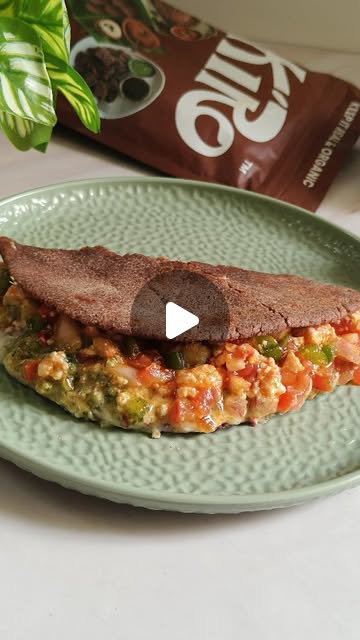
Ragi-based breakfasts like chilla or idli are especially useful here. They're low in fat (Kiro's premix has just 1.28g of fat per 100g), moderate in calories, and rich enough in protein to keep hunger at bay until lunch.
Studies on finger millet have also indicated that compounds in the grain's bran may help regulate genes related to fat metabolism, though more human studies are needed in this area.
4. Ragi Is Excellent for Digestive Health
Ragi is rich in both soluble and insoluble dietary fibre. Insoluble fibre adds bulk to stool and promotes regular bowel movements, while soluble fibre feeds the beneficial bacteria in your gut.
Traditional preparations of ragi — like fermented ragi porridge (ambli) or fermented idli batter — add a probiotic benefit on top of the inherent fibre content. This combination of prebiotic fibre and probiotic fermentation makes ragi one of the most gut-friendly grains available.
If you've been dealing with occasional bloating, constipation, or general digestive sluggishness, adding ragi to your morning routine is a simple and effective first step.
5. Ragi Contains Amino Acids Rare in Other Cereals
Most cereals are deficient in certain essential amino acids. Ragi breaks this pattern. It contains meaningful amounts of methionine, cystine, and tryptophan — amino acids that most other cereals lack or contain only in trace amounts.
The main protein in ragi, called eleusinin, has a high biological value, meaning your body can absorb and use it efficiently. This is one reason why ragi has been traditionally recommended as a weaning food for infants — its protein is gentle on developing digestive systems while being nutritionally complete.
6. Ragi Supports Heart Health
Emerging research suggests that finger millet may help reduce the risk of cardiovascular disease through multiple mechanisms. It appears to help lower LDL (bad) cholesterol and triglyceride levels in the blood, and may also inhibit the oxidation of LDL cholesterol — a key step in the development of arterial plaque.
The magnesium in ragi also supports heart function by helping regulate blood pressure and maintaining normal heart rhythm. A diet rich in whole grains like ragi, combined with vegetables and moderate physical activity, forms the foundation of cardiovascular prevention.
7. Ragi Has Anti-Aging and Skin Health Properties
The amino acids in ragi — particularly methionine and lysine — help maintain skin elasticity and support collagen production. Ragi also contains Vitamin E and other antioxidants that help protect skin cells from oxidative damage caused by free radicals.
While no single food is a miracle for skin, a diet that includes nutrient-dense grains like ragi provides the building blocks your body needs to repair and renew skin tissue. Many people who regularly consume ragi report improved skin texture and fewer signs of premature aging.
How to Get More Ragi Into Your Diet
The easiest way is to start with breakfast. Ragi idlis, ragi chilla, and ragi dhokla are all quick to prepare and don't require any dramatic changes to your cooking routine.
Kiro's Ragi Chilla, Idli & Dhokla Premix makes this even simpler — one pack, three different breakfasts, and only three clean ingredients (rice flour, ragi flour, besan). No preservatives, no added sugar, no artificial colours.
If your family has been eating the same rice-wheat rotation for years, ragi is the simplest upgrade you can make. Your bones, your gut, and your taste buds will thank you.


Leave a comment