

For most Indian households, breakfast rotates between two grains: rice (in the form of idli, dosa, or poha) and wheat (as paratha, roti, or upma). These two grains have dominated our plates for decades, and there's nothing wrong with either of them in moderation.
But there's a third option that many families overlook — millets. Specifically, ragi (finger millet), which has a nutritional profile that makes both rice and wheat look incomplete by comparison.
Let's compare all three head-to-head.
The Nutrition Comparison (Per 100g, Raw)
Calories: Ragi provides about 328 kcal, wheat about 340 kcal, and polished white rice about 360 kcal. All three are in the same range — millets don't have dramatically fewer calories. The difference lies elsewhere.
Protein: Ragi contains 7-13g of protein per 100g depending on the variety. Wheat has about 11-12g. Polished rice lags behind at 6-7g. Ragi's protein is also notable for containing amino acids like methionine and tryptophan that other cereals lack.
Calcium: This is where ragi absolutely dominates. Ragi has approximately 344mg of calcium per 100g. Wheat has about 30mg. Rice has roughly 10mg. Ragi has literally 30 times more calcium than rice.
Iron: Ragi delivers about 3.9mg of iron per 100g. Wheat has about 3.5mg. Polished rice drops to 0.7mg. For a country where anaemia affects millions of women and children, this difference matters.
Fibre: Ragi contains 3.6-4g of fibre per 100g. Whole wheat has about 12g (but refined wheat flour drops to 1.9g). Polished rice has about 0.2g. If you're eating white rice or maida-based products, you're getting almost no fibre.
Fat: Ragi is very low in fat at 1.3-1.5g per 100g. Wheat has about 1.5g. Rice is similar at about 0.5g. All three are naturally low-fat grains.
Glycemic Index: How They Affect Blood Sugar
The glycemic index (GI) tells you how quickly a food raises your blood sugar after eating. Lower is generally better, especially for diabetics and anyone trying to manage weight.
Ragi preparations have shown GI values ranging from low to medium (around 50-65), depending on how they're prepared. Fermented ragi preparations tend to have a lower GI. White rice has a high GI (around 70-85). Whole wheat comes in at medium (around 55-65).
What this means in practice: if you eat a rice idli for breakfast, your blood sugar spikes faster and drops faster, leading to earlier hunger. A ragi idli releases energy more gradually, keeping you fuelled longer.
What About Taste?
Let's be honest — taste is the real deciding factor for most families.
Rice is neutral-tasting and pairs with everything. It's the universal canvas of Indian cooking.
Wheat has a mild, slightly sweet flavour. Familiar and comforting.
Ragi has an earthy, slightly nutty flavour that's distinctive. Some people love it immediately. Others need a few tries, especially if they've never had millets before. The easiest way to introduce ragi is through familiar formats — ragi idli tastes like idli with a slightly deeper flavour, not like some alien health food.
Mixing ragi with besan and rice flour (as Kiro's premix does) creates a milder, more approachable flavour than using pure ragi flour alone. This blend is specifically designed to taste good to people who are new to millets.
The Practical Question: Can Millets Replace Rice and Wheat?
They don't need to. The goal isn't to eliminate rice or wheat from your diet — it's to add variety. Indian traditional diets were never meant to be mono-grain. Our ancestors ate a rotation of millets, rice, wheat, and other grains depending on the season and region.
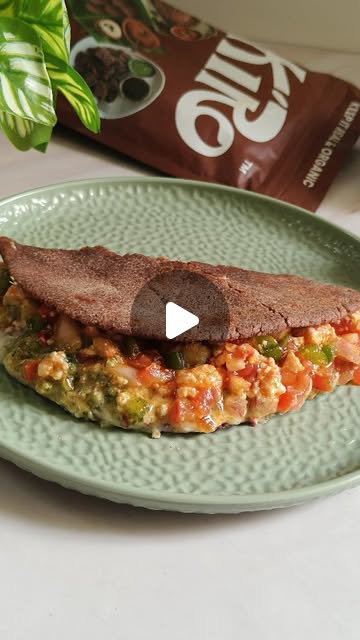
The smartest approach is to include millets in some of your meals each week. Start with breakfast, where the swap is easiest — ragi idli instead of rice idli, ragi chilla instead of besan chilla, ragi dhokla instead of regular dhokla.
Even replacing three breakfasts per week with millet-based meals can improve your calcium intake, stabilise your blood sugar, and diversify the nutrients your body receives.
The Verdict
Rice is convenient and universally liked, but nutritionally thin — especially polished white rice.
Wheat is more nutritious than rice, but most people eat it as refined flour (maida) or heavily oiled parathas, which cancels out the benefits.
Ragi (and millets in general) offers the best overall nutrition — highest calcium, strong protein, good fibre, lower glycemic impact — while being just as versatile in the kitchen once you know how to use it.
The easiest entry point? A premix that does the ratio-balancing for you.
Kiro's Ragi Chilla, Idli & Dhokla Premix is built for exactly this — three familiar breakfast formats, one pack, zero learning curve.


Leave a comment