

Your packaged food carries an FDA approval stamp. But do you know what those preservatives actually do inside your body? Chemical preservatives get regulatory clearance, yet long-term use can cause serious health problems. This includes cancer.
I've researched food additives for years. The findings are clear. The FDA reports that one in every hundred people is sulfite-sensitive. Five percent of that group also has asthma. Artificial preservatives connect to multiple health issues. These include acid reflux, heart tissue weakness, and hyperactive behavior in children.
These preservatives work quietly in your food. Sodium nitrite appears in processed meats. It can disrupt thyroid function and reduce your blood's ability to carry oxygen. Research shows that eating preserved foods long-term leads to cancer risk, genetic damage, and allergies.
This guide covers 12 dangerous preservatives in your everyday foods. You'll learn what they do to your health. You'll understand why food labels don't warn you about these effects.
Sodium Sulphite

Image Source: Annex Chem
Sodium sulphite appears quietly on ingredient lists. This white crystalline powder works as both preservative and antioxidant. It extends shelf life while keeping products looking fresh.
Where Sodium Sulphite is Found
You encounter this preservative in many everyday foods:
- Alcoholic beverages: Wine, beer, and cider use sodium sulphite to prevent oxidation and keep flavors stable
- Processed foods: Canned vegetables, dried fruits like apricots, sauerkraut, and pickles
- Beverages: Fruit juices, soft drinks, and bottled lemon concentrates
- Bakery items: Dough products, biscuits, and commercial baked goods
- Seafood: Added to shrimp and shellfish to prevent black spots
This preservative also hides in medications and cosmetics like hair products and face cleansers.
How Sodium Sulphite Affects Your Body
When you eat sodium sulphite, it reacts with water in your system. This creates bisulfite, sulfite, and sulfur dioxide. The compound enters your bloodstream and spreads through body tissues, including your brain.
Most people process sodium sulphite normally. Your liver changes it to harmless sulfate that leaves through urine. Problems start when:
- Your body lacks enough sulfite oxidase enzyme
- You eat too many sulfite-containing foods
- You have sulfite sensitivity - this affects about 1% of people
Scientific Evidence on Sodium Sulphite Side Effects
Studies show several concerning effects. About 4-5% of people with asthma react to sulfites. Symptoms can appear within minutes:
- Breathing problems: Wheezing, coughing, difficulty breathing
- Skin reactions: Hives, flushing, rashes from regular exposure
- Digestive issues: Stomach pain, diarrhea, nausea
- Head problems: Headaches and migraine-type symptoms
Lab studies show sodium sulphite may damage chromosomes and harm liver and kidney cells. It can weaken immune responses and cause genetic changes.
Most seriously, over 250 people in the United States had severe allergic reactions to sulfites. Six died.
The FDA still approves sodium sulphite for many products. However, its use in fresh produce and meats is restricted.
Sodium Nitrite

Image Source: Facebook
The bright pink color in your deli meats comes from sodium nitrite. This yellowish-white powder acts as both a preservative and color enhancer in processed foods.
Where Sodium Nitrite is Found
Sodium nitrite shows up in many places beyond your local store:
- Processed meats: Bacon, hot dogs, ham, deli meats, salami, and sausages
- Preserved fish: Keeps fish fresh during storage
- Medical use: Doctors use it as an antidote for cyanide poisoning
- Industry: Metal treatment, finishing, and heat transfer applications
You can also get exposed through contaminated drinking water. Some people absorb it through their skin during industrial work.
How Sodium Nitrite Affects the Body
Your body transforms sodium nitrite after you eat it. It can become nitric oxide, which helps control blood pressure. Or it can form nitrosamines, which are harmful compounds.
The bigger problem involves your blood. Sodium nitrite changes the iron in your hemoglobin from one form to another. This creates methemoglobin, which cannot carry oxygen properly. When methemoglobin levels go above normal (1-2%), your tissues get less oxygen. This condition is called methemoglobinemia.
Babies face higher risks. Sodium nitrite poisoning can cause "blue baby syndrome," which can be life-threatening.
Scientific Evidence on Sodium Nitrite Side Effects
Studies show several health concerns:
Cancer risk: The International Agency for Research on Cancer calls processed meat "probably carcinogenic to humans." Sodium nitrite plays a key role in this classification. High-temperature cooking can turn nitrites into cancer-causing nitrosamines.
Poisoning effects: Fatal doses range from 33 to 250 mg per kg of body weight. This makes nitrite ten times more toxic than nitrate. High exposure causes headaches, fatigue, dizziness, nausea, vomiting, and stomach pain.
Pregnancy risks: Animal studies suggest sodium nitrite might harm developing babies. Pregnant women show more blood changes from nitrite exposure than other women.
Thyroid problems: Too much nitrite can block iodine absorption in your thyroid. This may cause thyroid gland swelling.
The WHO sets safe daily intake at just 0.07 mg nitrite per kg of body weight. Food labels don't tell you exact amounts, so tracking your exposure becomes nearly impossible.
Sodium Benzoate
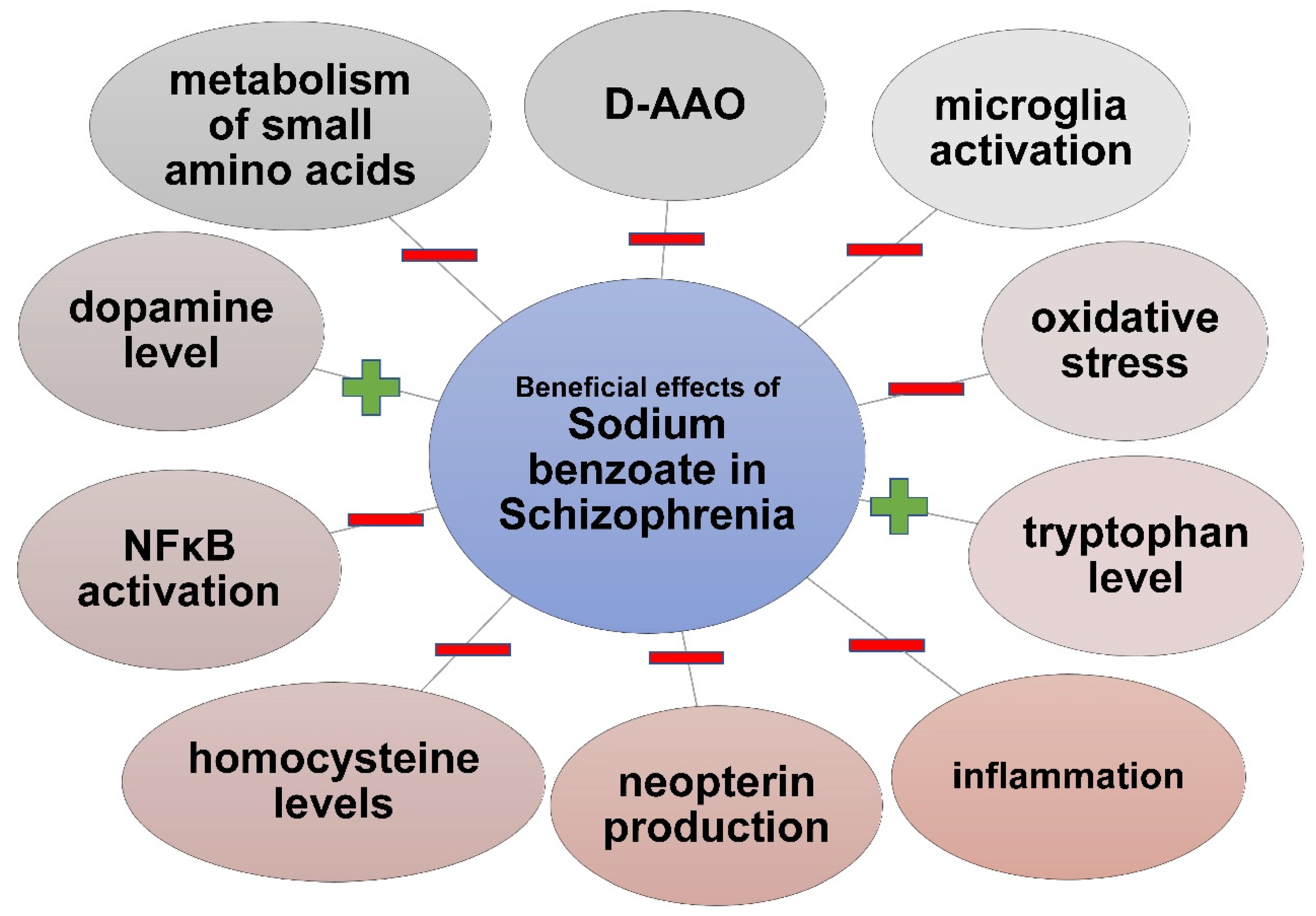
Image Source: MDPI
That innocent "E211" code on your pickle jar represents sodium benzoate. This white crystalline powder combines benzoic acid with sodium hydroxide. The FDA approved it first among all preservatives. It carries a "Generally Recognized as Safe" label. Yet this status hides real health concerns.
Where Sodium Benzoate is Found
This preservative shows up in acidic foods you eat daily:
- Foods: Salad dressings, pickles, jams, jellies, fruit juices, carbonated drinks, soy sauce, margarine, olives, tomato paste, and fruit preserves
- Beverages: Sodas like Coca-Cola, Fanta, and Sprite, plus fruit drinks and bottled lemon juice
- Personal care: Shampoos, soaps, toothpaste, mouthwash, baby wipes, and skin care products
- Medications: Cough syrups, tablets, capsules, and liquid medicines
Over 20,000 products mix sodium benzoate with vitamin C or citric acid. This combination creates problems.
How Sodium Benzoate Works in Your Body
Your body processes sodium benzoate quickly. It converts to benzoyl-CoA in cell powerhouses called mitochondria. Then it becomes hippurate through a reaction with glycine. You eliminate it through urine.
This quick processing makes people think it's harmless. But research shows it temporarily spikes anthranilic acid and acetylglycine in your system. When heated, exposed to light, or mixed with vitamin C, it forms benzene - a known cancer-causing chemical.
What Research Shows About Sodium Benzoate
Studies reveal several health problems:
Cell damage: It breaks DNA strands and damages chromosomes in lab tests
Body stress: It increases harmful oxidation while reducing protective enzymes like catalase
Inflammation: Higher intake directly increases inflammation that can lead to cancer
Fertility issues: Men consuming it show 50% lower sperm counts and reduced sperm movement. It affects hormones like testosterone too
Organ effects: Liver and kidney function changes at doses of 150-700 mg per kg of body weight
The daily limit sits at 0-5 mg per kg of body weight. Food labels don't tell you exact amounts. This makes tracking your intake nearly impossible.
Tertiary Butylhydroquinone (TBHQ)

Image Source: CBS News
TBHQ hides in your everyday snacks. This petroleum-derived chemical keeps oils from going rancid. Food companies love it because it extends shelf life cheaply.
Where TBHQ is Found
You encounter this preservative daily:
- Processed snacks: Potato chips, crackers, and microwave popcorn
- Fast food items: Fried chicken, french fries, and other fried offerings
- Packaged foods: Frozen pizzas, breakfast cereals, and instant noodles
- Fats and oils: Vegetable oils, margarine, and shortening
- Bakery goods: Cookies, cakes, and donuts
Companies add tiny amounts - just 0.02% of total oil content. But concentration varies across foods:
| Food Category | Typical TBHQ Concentration |
|---|---|
| Snack Foods | 50-200 ppm |
| Fast Food | 100-300 ppm |
| Instant Noodles | 150-250 ppm |
| Packaged Baked Goods | 50-150 ppm |
| Fats & Oils | 200-400 ppm |
How TBHQ Affects the Body
TBHQ triggers a cellular pathway called Nrf2. This system normally protects cells from damage. But TBHQ creates problems too.
The chemical cycles between two forms. This cycling produces harmful molecules called reactive oxygen species. These molecules damage your cells.
TBHQ doesn't just pass through your body. It forms compounds that stick around and may cause long-term health problems.
Scientific Evidence on TBHQ Side Effects
Research shows several health concerns:
Cancer risk: Government studies found more tumors in rats fed TBHQ. The chemical triggers processes that can lead to cancer.
Brain effects: People report vision problems after exposure. Lab animals got liver damage, seizures, and paralysis from high doses.
Behavior changes: The Feingold Diet warns against TBHQ for children with ADHD. Parents report it worsens hyperactive behavior.
The toxic dose in rats is 700-1000 mg per kg of body weight. But health experts say safe intake is only 0-0.7 mg per kg daily. Children eat more relative to their size, increasing their risk.
Butylated Hydroxyanisole (BHA)
:max_bytes(150000):strip_icc()/bha-and-bht-food-preservatives-607393_final-55858b77941940208fab98cdd4463a00.png)
Image Source: ThoughtCo
BHA has preserved foods since 1947. This waxy, synthetic compound comes from petroleum. It stops fats from turning rancid—a function that seems helpful but hides serious health risks.
Where BHA is Found
This preservative shows up in many daily foods:
- Processed foods: Breakfast cereals, snack foods like potato chips and crackers, cookies, baked goods, processed meats including sausages and beef jerky
- Fat-containing products: Butter, lard, vegetable oils, shortenings
- Beverages: Beer and flavoring agents [201]
- Packaging: Food packaging materials, especially petroleum wax coatings
- Non-food items: Cosmetics like lipsticks and eyeshadow, medicines, animal feed, petroleum products [201]
Your morning cereal or evening snacks likely contain BHA.
How BHA Affects the Body
BHA works by stopping oxidation. It breaks the chain reaction that turns fats rancid. Unlike water-based preservatives, BHA dissolves in fats and oils. This lets it pass through cell walls.
Your body can detect BHA in tissues—even in fingernails. It enters your bloodstream through your digestive system. This can disrupt hormone function. Research shows it acts like weak estrogen by attaching to estrogen receptors.
Scientific Evidence on BHA Side Effects
The research reveals several health concerns:
Cancer risk tops the list. The National Toxicology Program calls BHA "reasonably anticipated to be a human carcinogen" based on animal studies. However, human studies don't show clear cancer links at normal eating levels.
Reproductive problems appear at high doses (500 mg/kg). These include delayed sexual development, shorter reproductive cycles, lower mating rates, and reduced sperm quality. BHA can shrink reproductive organs while enlarging liver, adrenal, and thyroid glands.
Different countries view BHA differently. The FDA considers it "generally recognized as safe" at up to 0.02% of a food's fat content. California lists it as a known cancer-causing agent since 1990. Health Canada calls it a "high human health priority".
Most health agencies say current exposure levels pose low risk to most people.
Artificial Food Colors

Image Source: ADDitude
Those bright colors in processed foods come from petroleum-based chemicals. Synthetic food dyes offer no nutrition. They do pose health risks.
Where Artificial Food Colors are Found
Synthetic food dyes appear in nearly 24,000 U.S. food products. They hide in unexpected places:
- Processed foods: Candies, cereals, baked goods, snacks
- Beverages: Sodas, fruit drinks, sports drinks like Gatorade
- Everyday staples: Yogurt, pickles, oatmeal
- Salad dressings: Hidden Valley Avocado Ranch contains Yellow 5, Yellow 6, and Blue 1
- Protein sources: Smoked salmon, trail mix
The most common artificial dyes include Red 40, Yellow 5, Yellow 6, Blue 1, Blue 2, and Green 3. These make up 90% of all food dyes used in the U.S..
How Artificial Food Colors Affect the Body
These dyes can trigger different reactions when you eat them:
Quick reactions: Sensitive people see symptoms within minutes to hours after eating them. These include:
- Allergic responses
- Breathing problems
- Skin reactions
- Stomach issues
Long-term effects: Regular exposure may cause:
- Health stress, especially if you have gut problems
- Colon inflammation
- Possible DNA damage
Scientific Evidence on Artificial Food Colors Side Effects
Research connects artificial food dyes with serious health concerns:
Behavior changes: Multiple studies show a connection between artificial dyes and hyperactivity in children. About 64% of studies show brain and behavior changes in children. 52% show significant effects.
Cancer risk: Some dyes contain cancer-causing compounds or cause tumors in animals. Red 3 was found to cause cancer in lab animals. The FDA announced its removal from food products starting January 2027.
Regulatory action: The FDA plans to remove all eight petroleum-based food dyes from the U.S. food supply by the end of 2026. European rules already require warning labels on foods with certain dyes. They state these dyes "may have an adverse effect on activity and attention in children".
Artificial food colors often appear in ultra-processed foods. These foods carry their own health risks, including blood sugar problems and gut bacteria disruption.
Nitrates and Nitrites
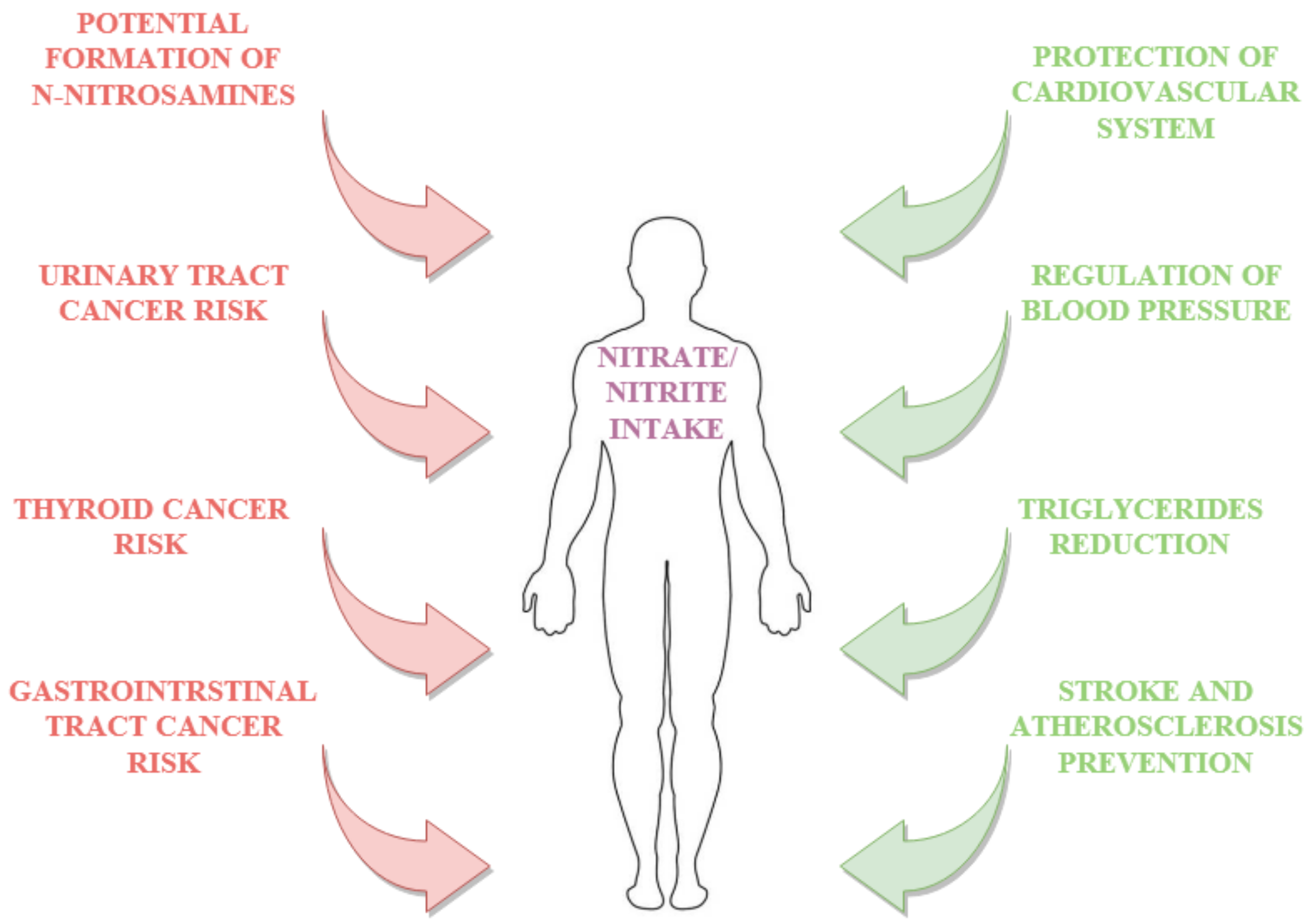
Image Source: MDPI
Nitrates and nitrites appear naturally in our environment long before food companies started adding them as preservatives. This creates confusion about their health effects. The same chemical compounds exist in both fresh vegetables and processed meats. But their impact on your body differs completely.
Where Nitrates and Nitrites are Found
These compounds show up in several places:
Natural foods: Vegetables provide about 80% of dietary nitrates. Green leafy vegetables contain the highest amounts. Spinach (palak) has 741 mg per 100g. Lettuce contains 82 mg per 100g. Root vegetables like beets (chukandar) also have high levels.
Processed meats: Bacon contains 5.5 mg per 100g. Hot dogs have 9 mg per 100g. Ham, deli meats, salami, and sausages all contain added nitrites.
Water sources: Agricultural runoff can contaminate drinking water with nitrates from fertilizers.
Medical uses: Doctors prescribe sodium nitrite as an antidote for cyanide poisoning. It also treats certain heart conditions.
The key point: identical compounds in vegetables versus processed meats affect your health very differently.
How Nitrates and Nitrites Affect the Body
Your body processes these compounds through a specific path. About 60-70% of nitrates get absorbed quickly and leave through urine. The rest transforms inside you.
Bacteria in your mouth convert nitrates to nitrites. These nitrites then become either:
- Helpful nitric oxide that improves blood pressure and heart health
- Harmful nitrosamines that can cause cancer
What decides this outcome? Antioxidants make the difference. Vegetables contain both nitrates and protective antioxidants like vitamins C and E. These prevent harmful compound formation. Processed meats lack these protective elements.
Scientific Evidence on Nitrates and Nitrites Side Effects
Research shows several health concerns:
Blood oxygen problems: Nitrites change your hemoglobin so it cannot carry oxygen properly. This condition is most dangerous for babies under 6 months. It can cause "blue baby syndrome".
Cancer risk: The International Agency for Research on Cancer lists nitrites as "probably carcinogenic to humans" under certain conditions. Studies found higher stomach cancer rates with increased nitrate exposure.
Thyroid issues: Women who eat too much processed meat with nitrites may double their risk of thyroid cancer.
About 2,000 cases of nitrate-related blood problems in infants have been reported worldwide. Ten percent resulted in death.
Bisphenols (BPA)

Image Source: Genetic Lifehacks
BPA hides in everyday items you use without thinking. This chemical appears in plastic containers, canned foods, and even receipts. It acts as one of the most studied hormone-disrupting chemicals we know.
Where Bisphenols are Found
BPA shows up in products you handle daily:
- Food containers: Water bottles made from polycarbonate plastic, storage containers for leftovers
- Metal food packaging: The inner coating of canned tomatoes, beans, and other preserved foods
- Thermal paper: Shopping receipts, movie tickets, medical reports
- Personal items: Sports bottles, eyeglasses, medical equipment
- Dental materials: Tooth sealants and dental polymers that can leak into your saliva
Heat makes BPA leach faster into food. This explains why microwaving plastic containers creates higher risks.
How Bisphenols Affect the Body
BPA enters your bloodstream easily. It crosses from mother to unborn baby and builds up in body tissues. The chemical dissolves in fats, allowing it to spread throughout your system.
BPA disrupts your hormone system by:
- Acting like estrogen in your body
- Interfering with male hormones
- Blocking normal thyroid function
Scientific Evidence on Bisphenols Side Effects
Research shows clear health risks from BPA exposure.
The FDA found BPA in 93% of American urine samples. Studies link BPA to fertility problems and developmental issues in children.
BPA also increases cancer risk, especially for breast, prostate, and uterine cancers. It affects brain development too, changing how children learn and behave, with connections to hyperactivity.
Phthalates
Phthalates are chemicals hiding in your body right now. Over 75% of adults have detectable levels in their urine. These plasticizers make vinyl products flexible. They also hide in countless everyday items.
Where Phthalates are Found
Food provides your main exposure route. It accounts for over 67% of total intake. These chemicals contaminate food through several paths:
- Plastic packaging materials and food processing equipment
- Personal care products like perfumes, soaps, and shampoos
- Household items including vinyl flooring, shower curtains, and medical tubing
Dairy products show elevated phthalate levels. So do fish, seafood, and high-fat foods. Ready-to-eat meals contain surprising contamination. DEHP appeared in 4.6% of samples tested.
How Phthalates Affect the Body
These chemicals cross the placenta-blood barrier once they enter your system. This creates a major exposure route for developing babies. Your body transforms them through hydrolyzation by esterase or lipase into monoesters. Then it excretes them.
The main concern involves hormone disruption. Phthalates interfere with hormone signaling. Heavy-weight phthalates like DEHP can alter gene methylation. This affects androgen response and sperm production.
Scientific Evidence on Phthalates Side Effects
Strong evidence links phthalates to reduced semen quality. They also connect to brain development issues and childhood asthma risk. Moderate evidence shows connections to:
- Type II diabetes and insulin resistance
- Lower testosterone production
- Breast and uterine cancer
- Endometriosis and reproductive problems
Pregnant women's exposure can harm child brain development. This increases risks for learning, attention, and behavioral disorders. These health risks happen at exposure levels below what regulators call "safe dose" limits. This raises serious questions about current standards.
Perfluoroalkyl Chemicals (PFCs)

Image Source: USC Viterbi School of Engineering
Perfluoroalkyl chemicals get called "forever chemicals" for good reason. They stick around in our environment for thousands of years. They build up in our bodies and food chain over time.
Where PFCs are Found
These synthetic compounds show up in:
- Food packaging: Grease-resistant papers, pizza boxes, microwave popcorn bags, and fast food wrappers
- Cookware: Non-stick pots and pans
- Personal care items: Shampoo, dental floss, cosmetics, and nail polish
- Home products: Water-resistant fabrics, stain-resistant carpets, and upholstery
The numbers are concerning. In 2012, 97% of American blood samples contained these chemicals.
How PFCs Affect the Body
PFCs don't break down once they enter your system. They accumulate throughout your body instead. These compounds cross placental barriers easily. This affects babies from the womb onward. They enter through contaminated water, food, or rainfall. Once inside, they bind to blood proteins and spread throughout your body.
Scientific Evidence on PFCs Side Effects
Research connects PFCs exposure to several health problems:
- Higher cholesterol levels
- Weaker vaccine response
- Increased thyroid disease risk
- Certain cancers, including kidney and testicular
- Liver damage
- Reproductive problems, including reduced fertility
- Immune system dysfunction with fewer antibodies against common diseases
Over 200 million Americans may be drinking water with unsafe levels of these chemicals.
Perchlorate

Image Source: Los Angeles Times
Perchlorate targets your thyroid gland directly. This persistent chemical contaminant disrupts one of your body's most important systems.
Where Perchlorate is Found
Perchlorate enters our food chain through several routes:
- Natural sources: Found in dry regions like Chile and southwestern US
- Industrial uses: Rocket fuel, explosives, fireworks, flares, and car airbags
- Food products: Fruits and vegetables show widespread contamination in European studies
- Water supplies: Forms when sodium hypochlorite breaks down during water treatment
- Food packaging: Added to dry food containers as an anti-static agent
How Perchlorate Affects the Body
Perchlorate blocks iodide uptake in your thyroid gland. This protein normally helps your thyroid absorb iodine. Without proper iodine absorption, your thyroid cannot make hormones properly.
Perchlorate dissolves quickly in water and spreads through your body. It crosses the placental barrier, reaching developing babies directly.
Scientific Evidence on Perchlorate Side Effects
Research shows serious health concerns:
Perchlorate disrupts brain development in unborn babies when mothers are exposed. Brain cells fail to move to their proper locations during development.
Studies link perchlorate exposure to thyroid problems. Nearly 25% of pregnant women in the US don't get enough iodine. This makes them more vulnerable to perchlorate damage. Children born to women with thyroid problems and higher perchlorate exposure show three times higher risk of cognitive problems, including lower IQs.
EDTA (Ethylene Diamine Tetra Acetate)

Image Source: Healthline
EDTA works like a molecular grabber in your food. It catches metal particles and stops them from causing chemical reactions. This chelating agent seems helpful but has side effects that most people don't know about.
Where EDTA is Found
This preservative shows up in many foods you eat daily:
- Canned foods: Beans, peas, mushrooms, and seafood use EDTA to prevent color changes
- Condiments: Mayonnaise, salad dressings, sauces, and sandwich spreads
- Beverages: Sodas, alcoholic drinks including beer, whiskey, and vodka
- Other foods: Processed cheese, margarine, dried bananas in cereals
EDTA grabs metal traces from processing equipment or storage containers. This prevents food from changing color or going bad.
How EDTA Affects the Body
When you eat EDTA, it connects with metal particles in your system. This includes important minerals like calcium, magnesium, and potassium. Your body gets rid of it through urine.
The FDA calls EDTA "Generally Recognized as Safe." But it can remove important nutrients from your body through its grabbing action.
Scientific Evidence on EDTA Side Effects
Research shows several health concerns:
EDTA has low immediate toxicity. Lab studies on rats show harmful doses of 2.0-2.2 g/kg. But it damages cells and causes weak genetic harm in lab animals.
Studies show EDTA makes gut inflammation worse in mice at doses thought to be safe. It damages the intestinal wall, making it more permeable. This can worsen inflammatory conditions.
Most concerning, eating EDTA affects reproduction and development.
Quick Reference Guide
| Preservative | Where You Find It | What It Does | Health Risks | Key Research Facts | Limits Set |
|---|---|---|---|---|---|
| Sodium Sulphite | Wine, beer, dried fruits, canned vegetables | Prevents spoilage and color changes | Breathing problems, skin reactions, stomach issues | 4-5% of people with asthma react badly; 250+ cases reported to authorities | FDA allows it but restricts use on fresh foods |
| Sodium Nitrite | Bacon, hot dogs, deli meats | Keeps meat pink and prevents bacteria | Blood oxygen problems, thyroid issues | Forms cancer compounds when heated; 10 times more toxic than nitrates | Safe limit: 0.07 mg per kg body weight |
| Sodium Benzoate | Sodas, pickles, salad dressings | Stops bacteria and mold growth | Cell damage, inflammation | Cuts sperm count in half; makes cancer-causing benzene with vitamin C | Safe limit: 0-5 mg per kg body weight daily |
| TBHQ | Chips, fast food, instant noodles | Stops oils from going bad | Liver damage, vision problems, behavior changes | Caused more tumors in lab rats; linked to ADHD symptoms | Safe limit: 0-0.7 mg per kg body weight |
| BHA | Cereals, snacks, butter | Prevents fats from turning rancid | Cancer risk, hormone problems | Called "likely human carcinogen" by government scientists | FDA allows up to 0.02% of fat content |
| Artificial Colors | Candies, drinks, baked goods | Makes food colorful | Hyperactivity in kids, allergies | 64% of studies show behavior problems in children | Being removed from US food by 2026 |
| Nitrates/Nitrites | Processed meats, some vegetables | Preserves food, maintains color | Cancer risk, blood problems | Doubles thyroid cancer risk in women | No specific limits set |
| BPA | Canned food, plastic containers | Part of packaging materials | Hormone disruption, fertility issues | Found in 93% of Americans tested | Being removed from many products |
| Phthalates | Food packaging, personal care items | Makes plastic flexible | Hormone problems, developmental issues | Present in 75% of adults' urine samples | Harmful effects seen below "safe" levels |
| PFCs | Pizza boxes, non-stick pans | Repels water and grease | Thyroid disease, cancer risk | Found in 97% of American blood samples | Under review by regulators |
| Perchlorate | Packaged foods, water supplies | Prevents static buildup | Thyroid problems, brain development issues | Disrupts fetal brain development | No limits currently set |
| EDTA | Canned foods, mayonnaise, sodas | Binds to metals | Nutrient loss, gut inflammation | Toxic to cells in lab studies | FDA considers it safe overall |
Quick Reference Guide
| Preservative | Common Sources | Primary Function | Key Health Concerns | Notable Research Findings | Regulatory Status/Limits |
|---|---|---|---|---|---|
| Sodium Sulphite | Wine, dried fruits, canned vegetables, seafood | Preservative and antioxidant | Breathing problems, skin reactions, stomach issues | 4-5% of asthmatics show sensitivity; 250+ adverse reactions documented | FDA-approved with limits on fresh produce |
| Sodium Nitrite | Bacon, hot dogs, deli meats, preserved fish | Color fixative and preservative | Blood oxygen problems, thyroid disruption | Forms cancer-causing compounds; 10x more toxic than nitrate | Safe limit: 0.07 mg/kg body weight |
| Sodium Benzoate | Sodas, pickles, salad dressings, personal care items | Antimicrobial preservative | DNA damage, inflammation, stress | Cuts sperm count by 50%; creates benzene with vitamin C | Permitted: 0-5 mg/kg body weight daily |
| TBHQ | Chips, fast food, packaged snacks | Prevents oil spoilage | Liver damage, nerve toxicity, behavior changes | More tumors in rats; vision problems in humans | Safe limit: 0-0.7 mg/kg body weight |
| BHA | Cereals, processed foods, fats, packaging | Prevents fat spoilage | Cancer risk, reproductive harm | Tagged as "reasonably anticipated human carcinogen" | FDA limit: 0.02% by weight of food's fat |
| Artificial Food Colors | Candies, cereals, beverages, baked goods | Visual appeal | Behavior problems, allergic reactions | 64% of studies show brain-behavior changes in children | Being removed by FDA by 2026 |
| Nitrates/Nitrites | Processed meats, vegetables, water | Preservation, color enhancement | Cancer risk, blood oxygen problems | Doubles thyroid cancer risk in women | Not applicable |
| Bisphenols (BPA) | Food containers, can linings, receipts | Container material | Hormone disruption, reproductive harm | 93% of Americans test positive | Being removed from many products |
| Phthalates | Food packaging, personal care products | Makes plastic flexible | Hormone disruption, development issues | Found in 75% of adults' urine | Health effects occur below "safe" levels |
| PFCs | Food packaging, cookware, personal care items | Water/grease resistance | Thyroid disease, cancer risk | Found in 97% of American blood samples | Under increasing regulation |
| Perchlorate | Food products, water supplies, packaging | Anti-static agent | Thyroid problems, development issues | Harms brain development in unborn babies | Not applicable |
| EDTA | Canned foods, condiments, beverages | Binds metals | Mineral loss, gut inflammation | Toxic to cells and weakly damages genes in lab animals | FDA considers it safe |
Conclusion
The preservatives in everyday foods create more health risks than most people know. FDA approval doesn't guarantee safety. These chemical additives contribute to serious conditions like cancer, reproductive problems, behavior issues, and thyroid dysfunction.
Food companies don't tell you how much of these preservatives they use. You can't track your real exposure levels. Yet studies show these chemicals build up in our bodies. BPA appears in 93% of Americans. Phthalates show up in 75% of adults.
The facts are clear. Sodium nitrite creates cancer-causing compounds when heated. TBHQ causes nerve damage and vision problems. Artificial colors change children's behavior. Forever chemicals like PFCs stay in your system for years, damaging organs and disrupting hormones.
Years of research have taught me that knowledge protects you first. Choose fresh, whole foods when you can. Skip processed meats, canned products, and plastic-packaged items. Read labels carefully. Companies hide these chemicals behind scientific names or vague terms like "preservatives" or "colors."
Your health depends on smart food choices. You can't avoid all preservative exposure in today's world. But you can reduce your chemical load through informed decisions. This benefits your long-term health. Remember this: those harmless-looking food items often contain more than their labels show. This knowledge helps you choose better for yourself and your family.
Key Takeaways
Understanding the hidden dangers of food preservatives empowers you to make informed choices that protect your long-term health and well-being.
• 93% of Americans have detectable BPA levels - Common preservatives like BPA, phthalates, and PFCs accumulate in your body, with most adults showing measurable contamination levels
• Food labels hide actual preservative quantities - Manufacturers aren't required to disclose exact amounts, making it impossible to track your daily exposure to these chemicals
• Processed meats pose the highest risk - Sodium nitrite in bacon and deli meats can form cancer-causing compounds, especially when cooked at high temperatures
• Children face greater vulnerability - Artificial food colors trigger behavioral changes in 64% of studies, prompting the FDA to phase out petroleum-based dyes by 2026
• "Forever chemicals" never leave your system - PFCs from food packaging persist in your body for years, potentially causing thyroid disease, cancer, and immune dysfunction
The most effective protection comes from choosing fresh, whole foods over processed alternatives and reading ingredient labels carefully to identify these hidden chemical additives.
FAQs
Q1. What are some of the most concerning preservatives found in everyday foods?
Some of the most concerning preservatives include sodium nitrite in processed meats, BHA in cereals and snacks, artificial food colors in beverages and candies, sodium benzoate in sodas and condiments, and TBHQ in fried foods. These additives have been linked to various health issues like cancer risk, behavioral changes, and organ damage.
Q2. How can I reduce my exposure to harmful food preservatives?
To reduce exposure, focus on eating more fresh, whole foods and fewer processed items. Read ingredient labels carefully and avoid products with artificial colors, nitrites, BHA/BHT, and other chemical preservatives. Choose organic options when possible, and prepare more meals at home using simple ingredients.
Q3. Are all food preservatives dangerous, or are some considered safe?
Not all preservatives are equally concerning. Some, like vitamin C and citric acid, are generally recognized as safe. However, others like sodium nitrite, BHA, and artificial colors have more questionable safety profiles. It's best to limit intake of synthetic preservatives overall and opt for foods preserved through natural methods when possible.
Q4. What are some potential long-term health effects of consuming foods with preservatives?
Long-term consumption of foods high in certain preservatives has been associated with increased cancer risk, hormone disruption, behavioral issues in children, allergic reactions, and damage to organs like the liver and thyroid. However, effects can vary based on the specific preservative and amount consumed.
Q5. Are preservatives in food regulated for safety?
Yes, food preservatives are regulated by agencies like the FDA in the United States. However, regulations and safety assessments can lag behind emerging research. Some preservatives initially deemed safe have later been found to pose health risks. Ongoing studies continue to evaluate the long-term impacts of various food additives.



Leave a comment