

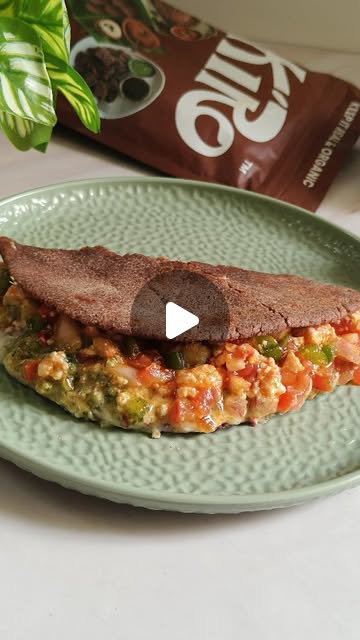
Want to make a healthy millet dosa without any fermentation time?
Millet dosa serves as a quick, nutritious alternative to traditional rice dosa that takes just 10 minutes to prepare. People's desire to cut down on rice consumption makes this millet-based option truly valuable. The best part? No soaking, grinding, or fermenting needed - perfect for busy mornings or times when a quick meal is needed.
This millet version can be an excellent choice for anyone watching their weight. The high fiber content and essential nutrients in millets make this dosa both tasty and beneficial. The recipe combines millet flour with a small amount of rice flour to create an amazing alternative that delivers the authentic crispy texture everyone loves in dosa.
In this piece, my no-fail recipe will help you create perfect millet dosas consistently. This simple yet satisfying dish will definitely become a kitchen staple, whether you're just starting with Indian cooking or looking to add nutritious options to your menu.
Why Millet Dosa is a Smart Choice
Millet dosa isn't just a trendy alternative - it's a nutritional powerhouse that beats traditional rice dosas in many ways. This ancient grain has found its way back into modern kitchens. You'll love it if you want healthier options that taste great. Here's why this simple switch can make a big difference in your health.
Health benefits of millet dosa
The nutritional value of millet dosa makes it a standout breakfast choice. These grains pack 65-75% carbohydrates, 7-12% proteins, 2-5% fat, and 8-15% fiber [1]. Tiny millets are nutritional champions when you compare them to polished rice.
Regular cereals don't match millet's protein quality. These grains have more essential amino acids that your body can digest better [1]. This makes millet dosa a great protein source, especially if you're vegetarian and need more protein from everyday foods.
Your modern diet might lack essential minerals, but millets are full of them. Each millet dosa gives you about 87 calories and 4g proteins [2]. They're rich in calcium, iron, magnesium, and phosphorus [3]. These minerals help your bones stay healthy, boost your energy, and keep you feeling great.
My neighbors started eating millet dosa for breakfast and saw better digestion in just two weeks. They love their foxtail millet dosa with coconut chutney on the side. It keeps their energy up until lunch, with no mid-morning snack cravings.
Why it's better than regular dosa
Millet dosa shows clear benefits when compared to regular rice dosa. The glycemic index of millet dosa (59.25) is much lower than rice dosa (77.86) [4]. Your blood sugar rises slowly after eating millet dosa, which helps avoid the crash that comes after high-GI foods.
Your digestive system benefits too. The natural fiber in millets slows down digestion. This keeps your stomach happy longer and gives you steady energy through the morning [4]. That's why nutritionists these days suggest millet dosa over rice dosa for breakfast.
The high fiber keeps you feeling full longer, which helps manage your weight [4]. People who start their day with millet dosa often eat less throughout the day compared to those who choose rice-based options.
The taste and texture might surprise you. Millet dosa gets just as crispy outside but has a nutty, complex flavor. It goes perfectly with traditional sides like sambar and chutneys.
Perfect for gluten-free and diabetic diets
Millet dosa really stands out if you have specific dietary needs. These grains don't have gluten, making them perfect if you have celiac disease or gluten sensitivity [5]. Unlike other gluten-free options, millets give you complete nutrition without losing taste or texture.
Science backs up millet's benefits for managing diabetes. Research shows that eating millets slows down prediabetes and helps control blood sugar better [1]. The high resistant starch digests slowly, which means lower blood glucose and insulin spikes [1]. This makes them great for managing blood sugar levels.
Clinical studies prove that people who regularly eat millet-based foods show better blood glucose after meals and improved HbA1c levels [1]. Adding more millets helps control blood sugar, reduces excess insulin, and lowers blood fats in Type 2 diabetes patients [1].
Your heart benefits too - millets help lower cholesterol [5]. The natural compounds in millet grains, especially proanthocyanidins, help control weight by making you feel full [1]. This supports your weight management goals naturally.
Start your day with millet dosa and tomato chutney. This combo gives you steady energy without blood sugar spikes - just what you need on busy mornings to keep going until lunch.
Gathering Ingredients and Tools
A great millet dosa starts with the right ingredients and tools at hand. Getting everything ready beforehand will make cooking smooth and enjoyable. This approach works well for beginners who want to try this nutritious dish.
Essential ingredients for millet dosa
Millet dosa's charm comes from its simple nature and adaptable ingredients. The most authentic recipes blend millets with supporting ingredients to create perfect texture and flavor.
You'll need these core ingredients:
-
Millet flour or grains: You can use barnyard millet, foxtail millet, little millet, kodo millet, or pearl millet (bajra) as your base. Many cooks mix two or more varieties to boost nutrition and texture [6][7].
-
Urad dal: This split black gram creates the right consistency and helps bind the batter [6][8].
-
Fenugreek seeds (methi): A teaspoon adds flavor and helps ferment your batter if you choose that route [6][8].
-
Rice flour: A small amount (about 1/4 cup) makes the final dosa crispy [1].
-
Salt: Add to taste [6].
A 4:1 ratio of millet to urad dal works best [9]. This mix helps dosas stay together while keeping their nutritional benefits, especially if you're new to millet cooking.
Optional flavor boosters
The right additions can lift your millet dosa from good to outstanding. These extras create deeper flavors without losing the health benefits that make millet dosa popular.
Try adding these ingredients:
-
Poha (flattened rice): A 1/2 cup per batch makes softer dosas with better texture [7][5].
-
Whole wheat flour: A 1/4 cup brings a nutty flavor that works well with millets [1].
-
Cumin seeds: A 1/4 teaspoon adds warmth to the dosa [1].
-
Fresh herbs and vegetables: Mix in finely chopped coriander, green chilies, grated carrots, or onions for extra flavor and nutrition [6].
At a recent family gathering, I mixed grated ginger and curry leaves into my millet dosa batter. Everyone loved it, even those who usually stick to traditional rice dosas.
Best pans and ladles to use
The right tools make perfect millet dosas. While you don't need special equipment, a few key items will improve your results.
A cast iron griddle (tawa) stands out as the best cooking surface [1][10]. These pans spread heat evenly and become naturally non-stick over time. The Lodge cast iron Dosa Griddle gets high praise from many chefs for its quality and performance [1]. A good non-stick pan works well too, making it easier for beginners [10].
A flat ladle gives better control than curved ones when spreading batter [10]. The back of a serving spoon with a flatter profile or a measuring cup works if you don't have a special dosa ladle [10].
You'll need a flat spatula to flip and remove finished dosas [10]. Use metal for cast iron pans or silicone for non-stick surfaces. The right spatula helps you get crispy edges without tears.
Quick 10-Minute Millet Dosa Recipe
Want to make delicious millet dosas in minutes? This quick recipe skips the traditional fermentation process but still gives you crispy dosas. You'll get all the nutritional benefits of millets with that satisfying crunch we all love.
Step 1: Mix millet flour and rice flour
Start by gathering your dry ingredients in a mixing bowl. These ingredients are the foundations of your quick-cook dosa and will give you the right texture.
Your basic millet dosa batter needs:
-
1 cup of millet flour (foxtail, barnyard, pearl, or finger millet work excellently)
-
¼ cup rice flour (adds crispness to your dosa)
-
½ cup semolina or suji (optional, helps bind the mixture)
Add these flavor boosters:
-
1 tablespoon finely chopped onions
-
1 teaspoon cumin seeds
-
A few curry leaves, chopped finely
-
½ teaspoon grated ginger
-
Chopped green chili (adjust to taste)
Mix everything until well combined. South Indian families have their own special touches to this recipe, but they stick to this millet-to-rice flour ratio for the perfect texture.
Step 2: Add water and whisk to smooth batter
Now comes the crucial part - adding water to get that ideal consistency. The perfect dosa depends on how well you nail this step.
Add water gradually while whisking to avoid lumps. Your batter should flow easily when poured onto the pan. It needs to be thinner than pancake batter but thicker than crepe batter. Let it rest for 10 minutes so the flours can absorb the water.
My grandmother had a clever trick - she said the batter should "fall like a ribbon" from the ladle. This simple test helps you get the consistency right every time.
Step 3: Heat pan and pour batter
The right pan temperature makes all the difference in getting that signature crisp texture.
Set your dosa tawa or non-stick pan over medium heat. A quick water test will tell you if it's hot enough - water drops should sizzle right away. Lower the heat slightly and brush some oil on the surface.
Pour a ladleful of batter in the center and quickly spread it in circles outward to make a thin layer. Traditional dosas start from the outer edge, moving inward in a spiral.
Step 4: Cook until crisp and golden
The final step creates that perfect golden-brown color and crispy edges everyone loves.
Add a few oil drops around the edges. Cook on medium heat until you see the edges turning golden brown and lifting up (about 1-2 minutes). The top surface changes from shiny to matte when it's ready for flipping.
Slide your spatula under the dosa and flip it over. A quick 30-second cook on the other side will give you those lovely golden spots. Fold or roll your dosa and serve it hot with chutney or sambar.
I recently taught this recipe at a cooking workshop. Everyone was amazed that their dosas turned out so crispy in just 10 minutes. It shows you can make healthy, delicious food without spending hours in the kitchen.
Tips for Perfect Texture and Taste
Making perfect millet dosas needs a few key techniques that change basic pancakes into crispy, flavorful delights. I tested dozens of batches in my kitchen and identified what makes or breaks your dosa experience. These tips will help you get restaurant-quality results on your first try.
How to get lacy, crispy dosa
The beautiful lacy texture in millet dosa depends on specific techniques rather than complex ingredients. Your batter needs a watery consistency—thinner than typical pancake batter [4]. You'll get authentic lacy effects by splashing the batter with the ladle onto the hot pan instead of spreading it in circles [4]. This creates natural holes throughout the dosa and gives it that special look.
Adding a fistful of poha (flattened rice) while grinding helps make the dosa crisp [7]. Barnyard millet becomes delightfully crisp with proper fermentation that rivals rice-based dosas. The edges turn beautifully golden-brown with a slight lacey effect [11].
Adjusting batter consistency
The perfect millet dosa batter should be thin—it falls "like a ribbon" from the ladle. We want a consistency that matches fresh thick milk [12]. Here's a quick test: dip the ladle into the batter and remove it—the batter shouldn't coat the back [12].
Millet dosa batter isn't as spreadable as regular dosa batter [13]. You'll need practice to understand how it behaves. The batter gets thicker as it rests. A little water and stirring before making each dosa helps keep the right consistency [2].
Pan temperature and oiling tips
Temperature control makes a big difference in dosa quality. The pan needs to be hot before you start—between 400-450°F works best [14]. Water drops should sizzle right away to test readiness [2].
Season your heated pan by applying oil drops and rubbing with tissue paper [4]. This thin, even coating helps prevent sticking. Oil around the dosa's sides while cooking makes extra crispy edges [13].
Last week, I found that letting my batter rest for 30 minutes before cooking made better dosas—even with this instant recipe [4]. They came off easily and turned out crispier without sticking.
Serving and Storing Millet Dosa
Millet dosa's appeal goes beyond just making it - the way you serve and store it makes a big difference too. The right side dishes will give you an exceptional dining experience, and knowing how to store and reheat leftovers means everything gets used while keeping that fresh-made taste.
Best chutneys and sides to pair with
The right accompaniments can turn a simple millet dosa into something spectacular. Traditional South Indian kitchens pair dosa with chutneys of all types that perfectly balance millet's mild flavor.
Fresh mint leaves make pudina chutney (mint chutney) that adds both health benefits and vibrant flavor to each bite [15]. Coconut chutney or tomato chutney offer classic South Indian pairings that complement millet dosa's nutty taste [2]. You might want to try spicier options like kara chutney, a red-colored spicy condiment that's especially popular in Tamil cuisine and Saravana Bhavan restaurant chains [16].
Sambar makes your millet dosa a complete meal, or you could try aloo palya (potato curry) if you want something more filling [17]. My neighbor makes an amazing beetroot chutney - its earthy sweetness pairs beautifully with millet's grainy texture.
How to store leftover batter
The batter stays fresh surprisingly well if you store it right. You can keep freshly prepared batter in clean, airtight containers in the fridge for 4-5 days without losing quality [18]. The taste might get tangier after day three since fermentation continues slowly even in cold temperatures [19].
The batter can last 1-2 months in the freezer when stored in airtight containers [18]. Let refrigerated batter reach room temperature before using it, give it a good stir, and add water if it looks too thick [2]. I split my batter into small containers during meal prep - just enough for two servings each.
Reheating tips for leftover dosas
Cooled dosas lose their crunch but you can bring them back to life. A preheated oven works best [20] to restore crispness without drying them out. A quick warm-up on a tawa (griddle) with a little oil can also do the trick.
Note that millet dosas taste their absolute best right off the griddle since they lose crispiness as they cool [2]. That's why I make the batter ahead but cook fresh dosas just before serving, even when guests come over.
Conclusion
Millet dosa offers a perfect balance of taste, nutrition, and convenience. This 10-minute recipe turns humble millet flour into crispy, delicious dosas without any fermentation time. Without doubt, the nutritional benefits make this swap worth your while – higher protein content, essential minerals, and high fiber levels support overall health and keep you satisfied longer.
You'll love how easy millet dosa is to prepare, especially on busy mornings. Simple ingredients and minimal equipment create something truly special. The recipe's versatility opens up endless variations – last week, I added grated carrots and cumin to my batter, and my family loved it so much they asked for it again the next day.
Note that the perfect texture depends on three elements: proper batter consistency, correct pan temperature, and appropriate spreading technique. Once you've mastered these elements, your millet dosas will turn out consistently crisp and golden every time. Traditional accompaniments like coconut chutney or sambar create a complete meal that honors authentic South Indian flavors while adding the goodness of millets.
This recipe shows that healthy alternatives can taste just as good as traditional favorites. Millet dosa deserves a regular spot in your kitchen rotation whether you're managing your weight, following a gluten-free diet, or simply want to broaden your breakfast options. Your body and taste buds will thank you when you reach for millet flour instead of rice the next time you crave something satisfying yet wholesome.
Key Takeaways
Master this nutritious breakfast alternative that delivers authentic South Indian flavors without compromising your health goals.
• No fermentation required: Create perfect millet dosas in just 10 minutes using simple flour mixing technique • Superior nutrition: Millet dosa offers higher protein, fiber, and lower glycemic index than traditional rice dosa • Perfect batter consistency: Aim for "ribbon-like" flow from ladle - thinner than pancake batter for crispy results • Proper pan technique: Heat to 400-450°F, test with water drops, and drizzle oil around edges for golden crispness • Versatile and inclusive: Naturally gluten-free and diabetic-friendly while supporting weight management goals
This instant recipe proves that healthy alternatives can be just as delicious as traditional favorites, making it perfect for busy mornings when you need sustained energy without blood sugar spikes.
References
[1] - https://www.kannammacooks.com/instant-millet-dosa-instant-sorghum-dosa/
[2] - https://www.sharmispassions.com/instant-millet-flour-dosa-recipe-easy/
[3] - https://www.tarladalal.com/calories-for-millet-dosa-43077
[4] - https://masalachilli.com/instant-kambu-dosai-bajra-pearl-millet-flour-instant-dosa-recipe/
[5] - https://www.sizzlingtastebuds.com/millet-set-dosa-barnyard-millet-dosa/
[6] - https://foodomania.com/millet-dosa-recipe/
[7] - https://www.flavourstreat.com/millet-dosa-vegan-savory-crepes/
[8] - https://www.sharmispassions.com/kambu-dosai-recipe-bajra-pearl-millet/
[9] - https://www.vidhyashomecooking.com/short-grains-idly-dosa-siru-dhaniya-idly-dosai/
[10] - https://www.thekitchn.com/dosa-tools-23064018
[11] - https://www.youreverydaycook.com/blog/millet-dosa
[12] - https://gayathrifoodbytes.blogspot.com/2020/05/varai-panpolo-indian-barnyard-millet.html
[13] - http://www.theplentifulplatter.com/breakfast/millet-dosa/
[14] - https://www.reddit.com/r/IndianFood/comments/birj08/what_is_the_best_way_to_cook_dosa_on_frying_pan/
[15] - https://www.divinetaste.com/organic-little-millet-dosa-with-pudina-chutney/
[16] - https://hebbarskitchen.com/kara-chutney-recipe-side-dish-dosa/
[17] - https://myfoodstory.com/millet-mysore-masala-dosa/
[18] - https://www.quora.com/How-long-can-I-store-dosa-batter
[19] - https://www.reddit.com/r/IndianFood/comments/jblq9b/how_long_will_dosa_batter_keep_in_the_fridge/
[20] - https://www.youtube.com/watch?v=FwQ-g-4Kypk


Leave a comment