

Ragi delivers 364 mg of calcium and 4.62 mg of iron per 100 grams. Most people outside India don't know about this small grain. Yet it has fed families across Karnataka, Tamil Nadu, and Andhra Pradesh for generations.
This hardy millet grows well even when rains fail. Farmers have relied on it during difficult seasons. Ragi contains a special protein called eleusinian that adds to its nutritional value. The grain provides carbohydrates, fiber, healthy fats, and proteins. It also gives you important vitamins and minerals your body needs.
Traditional wisdom meets modern health science with ragi. The high fiber keeps you full between meals. This helps reduce random snacking throughout the day. Ragi has no sodium or cholesterol, which supports heart health.
This guide covers ragi's nutritional benefits and health effects. You'll learn why it fits well in today's kitchens. I'll also share simple ways to add this traditional grain to your daily meals.
Ragi Returns: From Village Grain to Modern Kitchen
Ragi was once called a "poor man's crop." Today, health-conscious families across North America are buying it regularly. The market grows 8-10% each year as people learn about this ancient grain. A food that has nourished Indian families for thousands of years now sits on supermarket shelves worldwide.
Why people want ragi now
Urban cafés serve ragi pancakes. Food companies make ragi cookies and breakfast mixes. This shift happened because people want foods that actually nourish their bodies.
Doctors often suggest replacing wheat flour with ragi flour. It helps digestion work better. People with gluten sensitivity can eat ragi safely since it contains no gluten. These practical benefits explain why ragi has moved beyond its traditional home regions.
Ancient grains get global attention
The United Nations declared 2023 as the International Year of Millets. This helped more people learn about traditional grains like ragi. Governments now promote millets as smart food choices that don't strain water resources or soil.
Millet demand has grown steadily over the past ten years. Food technology improvements have made it easier to create new ragi products. People want to eat foods their grandparents recognized while meeting today's health needs.
Ragi works for today's health goals
Ragi releases energy slowly into your blood. This prevents blood sugar spikes that happen with refined grains. Dr. Kruti S. Dhirwani explains: "Ragi has a low glycaemic response because its fiber slows down carbohydrate absorption".
The grain contains 344 mg of calcium per 100 grams - much more than rice or wheat. This helps build strong bones in children and prevents bone loss in older adults. Ragi also provides more iron than common grains, which helps people with low hemoglobin.
The fiber in ragi keeps your digestive system working well. These health benefits matter to families trying to eat better without complicated meal planning.
Ragi grows well with little water, even during dry seasons. This appeals to people who care about how their food choices affect the environment. The grain feeds families while protecting natural resources.
What Makes Ragi Nutritionally Special
Ragi's nutritional profile explains why this small grain has gained attention from health experts. The numbers tell a clear story about its value.
Calcium and Iron Content
Ragi contains 344-364 mg of calcium per 100 grams. This makes it one of the best plant-based calcium sources you can find. Compare this to wheat flour's 18 mg or white rice's 10 mg. Ragi gives you 19 times more calcium than wheat and 36 times more than rice.
This calcium content helps build strong bones in children. It also prevents bone loss in adults as they age.
Ragi also provides 3.9-4.6 mg of iron per 100 grams. Wheat has only 1.2 mg and rice just 0.2 mg. This higher iron content helps your blood carry oxygen better. People with anemia often benefit from eating ragi regularly.
Fiber and Protein Benefits
The fiber in ragi ranges from 11-19%. This is much higher than most grains we eat daily. High fiber helps your digestion work smoothly. It also keeps you full longer, which helps control your weight.
Ragi gives you 7.16-7.3 grams of protein per 100 grams. What makes this protein special is its amino acid profile. Ragi contains essential amino acids like isoleucine, tryptophan, valine, methionine, and threonine. These are building blocks your body needs but cannot make on its own.
Vegetarians and vegans find ragi especially useful because it provides complete protein.
Ragi also contains:
- Magnesium: 137-146 mg per 100g
- Phosphorus: 170-210 mg per 100g [131]
- Potassium: 408-443 mg per 100g [131]
- B-complex vitamins
Blood Sugar and Digestive Benefits
Ragi has a glycemic index between 54-68. This means it releases sugar slowly into your blood. You don't get sudden spikes like you do with white rice or refined flour.
Studies show that people eating ragi-based meals had lower blood sugar levels compared to those eating rice and wheat. Ragi roti has a GI of 53, ragi dosa scores 37, and ragi dumplings rate 48. All these foods help keep blood sugar stable.
Ragi is naturally gluten-free. People with celiac disease or gluten sensitivity can eat it safely. Unlike many gluten-free options that lack nutrition, ragi provides real health benefits while being completely free of gluten.
8 Ways Ragi Benefits Your Health
Regular ragi consumption supports your health in multiple ways. This traditional grain addresses common concerns from weight management to stronger bones.
1. Keeps you full and supports weight loss
Ragi's high fiber content makes you feel satisfied after meals. The tryptophan in ragi also reduces appetite. This combination helps control portion sizes naturally. You'll find yourself snacking less between meals. Ragi works well for weight management without leaving you hungry.
2. Helps regulate blood sugar
Ragi has a low glycemic index, typically under 40. Glucose enters your bloodstream slowly, preventing sudden spikes. The fiber content slows carbohydrate absorption further. This makes ragi helpful for people managing diabetes or watching their blood sugar levels.
3. Strengthens bones and prevents osteoporosis
Ragi contains 344-364 mg of calcium per 100g. This is three times more calcium than milk. Growing children benefit from stronger bone development. Older adults can maintain better bone density and reduce fracture risk. Plant-based eaters especially benefit from this rich calcium source.
4. Improves digestion and prevents constipation
The 11.18g of fiber per 100g helps digestion work smoothly. Both soluble and insoluble fiber add bulk to stool and promote regular bowel movements. Your gut stays healthier with consistent ragi consumption. Constipation becomes less of a problem.
5. Boosts hemoglobin and fights fatigue
Ragi provides 3.8-3.9mg of iron per 100g. This helps your body produce more hemoglobin and fight anemia-related tiredness. Ragi contains 56% more iron than wheat and up to 875% more than rice. Women and vegetarians often benefit most from this iron boost.
6. Enhances skin glow and reduces aging signs
Essential amino acids like methionine and lysine support youthful skin. Ragi's seed coat contains phenolic acids and flavonoids - natural antioxidants that fight aging. These nutrients help form new skin cells, reduce fine lines, and maintain skin elasticity.
7. Promotes hair growth and reduces hair fall
Amino acids and carotenoids in ragi have antimicrobial properties that reduce dandruff and hair fall. Iron content improves blood flow to your scalp and strengthens hair roots. B vitamins like biotin, niacin, and B3 make hair shafts stronger.
8. Supports heart and mental health
Ragi contains zero cholesterol and sodium, supporting heart health. Magnesium and potassium help regulate blood pressure and keep blood vessels healthy. Tryptophan acts as a building block for serotonin, which helps regulate mood. This supports mental balance and natural stress management.
How Ragi Fits Different Lifestyles
Ragi works well for many types of eaters and life stages. This flexibility makes it valuable for Indian families with different dietary needs.
For vegetarians and vegans
Plant-based eaters often worry about getting enough protein and calcium. Ragi solves both problems naturally. The grain provides complete proteins with essential amino acids. This supports muscle repair and growth without animal products.
Vegetarian families have used ragi for generations. It gives calcium without depending on dairy products. This matters especially for vegans who avoid all animal foods.
For diabetics and weight watchers
Ragi releases sugar slowly into your blood. This prevents the sudden spikes that white rice or wheat can cause. Diabetic families find this helpful for managing blood sugar naturally.
The high fiber keeps you satisfied longer. This reduces cravings between meals. People trying to lose weight appreciate how ragi curbs hunger without making them feel deprived. The grain helps maintain steady energy levels throughout the day.
For pregnant women and new mothers
Expecting mothers need extra iron to prevent anemia. Ragi provides this mineral naturally. The calcium supports both mother's bones and baby's development.
Nursing mothers often feel exhausted. Ragi gives sustained energy during this demanding time. Traditional wisdom suggests it can support healthy milk production. This matches what mothers in rural Karnataka and Tamil Nadu have long believed.
For children and elderly
Young children transition well to ragi as their first solid food. The grain digests easily and provides concentrated nutrition for growing bodies.
Older adults benefit from ragi's bone-supporting properties. The soft texture works well for those with chewing difficulties. Both age groups need dense nutrition in smaller portions. Ragi delivers exactly this combination.
Simple Ways to Add Ragi to Your Daily Meals
Adding ragi to your meals is straightforward. This versatile grain works well in traditional Indian dishes and modern recipes.
Ragi breakfast options
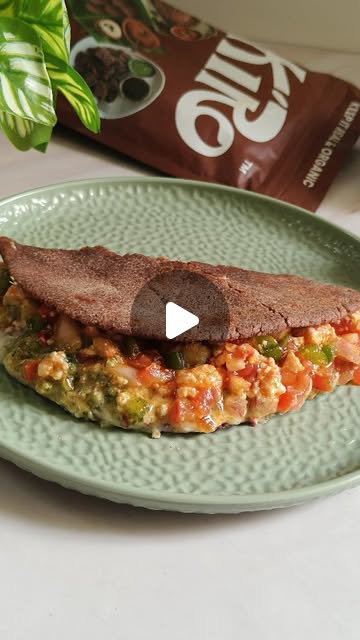
Ragi porridge makes a filling morning meal. Roast ragi flour lightly, then cook with milk or water until thick. Ragi dosa combines ragi flour with rice flour for a crispy breakfast. Instant ragi idli needs no fermentation time.
Ragi upma replaces semolina with higher fiber. Ragi pancakes with mashed banana give steady energy.
Main meals with ragi
Ragi mudde are traditional balls served with sambar or spicy curries. Ragi paniyaram works well with chopped vegetables. Ragi vegetable dhokla steams quickly for lunch. Mix-flour thalipith combines ragi with other grains for nutritious flatbread.
Ragi snacks and sweets
Ragi cookies with dark chocolate and nuts satisfy cravings. Ragi brownies offer a healthier dessert option. Ragi ladoo mixes jaggery and nuts into energy balls. Ragi halwa works even during weight management.
Cooking tips for ragi flour
Roast ragi flour before using it. This improves the taste. Mix with other flours if you're trying ragi for the first time. Add water slowly while stirring to prevent lumps.
Conclusion
Ragi truly stands as one of nature's most complete superfoods, offering a remarkable combination of essential nutrients that benefit virtually everyone. Throughout this article, we've seen how this ancient grain delivers exceptional amounts of calcium, iron, fiber, and protein while remaining gluten-free with a low glycemic index.
After examining ragi's nutritional profile, the evidence speaks for itself - this humble grain surpasses many popular cereals in overall health benefits. Most importantly, its versatility makes it accessible regardless of your specific health goals or dietary preferences. Whether you're managing diabetes, building stronger bones, supporting digestion, or simply seeking sustainable nutrition, ragi addresses multiple wellness needs simultaneously.
The global rediscovery of ragi certainly comes at the perfect time. As health-conscious consumers increasingly seek nutrient-dense foods that align with both personal and environmental wellness, ragi emerges as an ideal solution. Additionally, its drought-resistance and minimal water requirements make it a sustainable choice for our planet's future.
Despite its ancient origins, ragi fits seamlessly into modern lifestyles. From breakfast porridges to savory main dishes and even guilt-free desserts, incorporating this superfood into your daily routine requires minimal effort while delivering maximum benefits. The wide variety of ragi-based recipes ensures you'll never grow tired of enjoying its nutritional advantages.
Though once considered primarily a regional staple, ragi has rightfully earned its place in the global superfood spotlight. Therefore, I encourage you to experiment with this extraordinary grain in your kitchen. Your body will thank you as you experience firsthand the numerous benefits ragi offers – improved digestion, better blood sugar control, stronger bones, enhanced skin health, and sustained energy throughout your day.
Undoubtedly, ragi represents more than just another health food trend. This resilient grain has nourished generations for thousands of years and now stands ready to support our health needs well into the future. Why not make 2026 the year you finally embrace this ancient superfood your body truly needs?
Key Takeaways
Discover why ragi, an ancient superfood, is experiencing a remarkable resurgence in 2026 and how it can transform your health with its exceptional nutritional profile.
• Ragi delivers exceptional nutrition: Contains 344-364mg calcium and 4.6mg iron per 100g, plus high fiber and complete plant proteins for comprehensive health support.
• Perfect for blood sugar management: Low glycemic index (54-68) releases glucose slowly, making it ideal for diabetics and weight management goals.
• Supports multiple health benefits: Strengthens bones, boosts hemoglobin, improves digestion, enhances skin health, and promotes heart wellness naturally.
• Versatile for all lifestyles: Gluten-free grain suits vegetarians, diabetics, pregnant women, children, and elderly with easy-to-prepare breakfast, lunch, and snack options.
• Sustainable superfood choice: Drought-resistant crop requiring minimal water aligns with environmental consciousness while delivering superior nutrition compared to wheat and rice.
The global shift toward ancient grains reflects growing awareness that traditional foods often provide the most complete nutrition. Ragi's ability to address modern health concerns while supporting sustainable agriculture makes it an essential addition to contemporary diets seeking both personal wellness and environmental responsibility.


Leave a comment