

Bajra sits quietly in Indian kitchens, often overlooked next to wheat and rice. This small grain contains 8mg of iron per 100g. That matters more than you might think.
I started eating bajra rotis regularly about two years ago. The change in my energy levels surprised me. This ancient grain that my grandmother used to prepare actually helped with concerns I thought needed modern solutions.
One cup of cooked bajra gives you 31% of your daily copper needs and 25% of phosphorus. The fiber content helps protect against gallstones. Women who eat whole grains like bajra daily reduce their heart attack risk by 30%. Since bajra contains no gluten, people with celiac disease can eat it safely.
This guide covers what bajra can do for your health. You'll learn how it helps with weight management and blood sugar control. We'll explore its benefits for heart health and skin.
Some readers know bajra roti well. Others might be trying it for the first time. Either way, you'll find simple ways to add this grain to your daily meals. The focus stays on practical steps you can take starting today.
What is Bajra (Pearl Millet)?
Pearl millet goes by bajra in most North Indian homes. This grain has fed people for thousands of years. Communities across Africa and India have grown it since prehistoric times.
Bajra grows where other crops fail. It needs little water and thrives in poor soil. This makes it valuable in regions with unpredictable rainfall.
The small, round grains look different from wheat or rice. They have a slightly nutty flavor when cooked. Most Indian families know bajra as the grain that survives drought years when other crops struggle.
What is Bajra (Pearl Millet)?
Bajra grows where other crops fail. This small grain thrives in drought conditions and poor soil where wheat or rice wouldn't survive. Scientists call it Cenchrus americanus or Pennisetum glaucum. Africa gave birth to this crop, though India now produces more bajra than any other country.
Regional names: bajra in Tamil, Telugu, Marathi, Malayalam
Each Indian state has its own name for this grain:
Tamil Nadu calls it கம்பு (Kambu). It becomes the second most important food crop here during summer months from February to May.
Andhra Pradesh and Telangana know it as సజ్జలు (Sajjalu).
Maharashtra uses the name बाजरी (Bajri).
Kerala says കമ്പം (Kambam).
Karnataka calls it Sajje. Gujarat and Rajasthan use Bajri. Hindi, Punjabi, Bengali, Oriya, and Assamese speakers say Bajra.
These different names show how deeply bajra connects to local food traditions across India.
Historical cultivation and traditional use in India
Indians started growing bajra between 1500 and 1100 BCE. The grain likely traveled from Africa through Red Sea trade routes during the Indus Valley period. It adapted to India's varied climates over thousands of years.
Rajasthan leads bajra production today. The state's desert climate suits this drought-resistant crop perfectly. Rajasthani meals without bajra preparations seem incomplete. Farmers like Devi Jadon from Dholpur still grow pearl millet along the Chambal River, continuing ancient practices.
Bajra holds religious importance too. Rajasthani families offer it to deities during ceremonies. Many regions include bajra in fertility and prosperity rituals. Even Mughal emperor Jahangir wrote about "lazizi" khichdi made with peas and bajra in Gujarat, recording this in his autobiography Tuzk-e-Jahangiri.
Each region prepares bajra differently. Karnataka mills it for "sajje rotti" flatbread, served with stuffed brinjal and yogurt. Tamil Nadu turns it into gruel or uses it for dosa and idli. Rajasthan roasts bajra over open fires or mixes it with jaggery and sesame to make small balls like the "bati" in dal-bati-churma.
The Green Revolution of the 1960s pushed bajra aside as wheat and rice took center stage. The grain became cattle feed instead of human food. Health-conscious Indians now rediscover bajra's nutrition and cultural significance.
Bajra Nutrition Facts: What Makes It a Super Grain
Bajra earns its "super grain" status through numbers that matter for your health. The nutritional profile beats many common cereals we eat daily.
Bajra calories and macronutrient profile
Raw bajra contains 361 calories per 100g. Cooked bajra provides 201 calories per cup. This makes it energy-dense but reasonable for daily meals.
The carbohydrates in bajra total 67g per 100g. These are complex carbs that release energy slowly. Your blood sugar won't spike the way it does with refined flour.
Bajra contains 5g of fat per 100g. This beats rice, wheat, maize, and sorghum. The fat profile includes 74% healthy polyunsaturated fatty acids. You get omega-3s like oleic acid (25%), linoleic acid (45%), and linolenic acid (4%).
Bajra protein per 100g and fiber content
The protein content sets bajra apart. Each 100g gives you 11.6-12g of protein. That matches wheat but beats rice (6.8g), maize (4.7g), and sorghum (10.4g).
For vegetarians, this protein quality matters. Bajra has fewer cross-linked prolamins than other cereals. This means your body digests it better. The amino acid profile also beats maize and rice.
Fiber sits at 8g per 100g. This supports digestion and helps with weight management.
Key vitamins and minerals in bajra
The mineral content explains why bajra works for health problems:
- Iron: 8-11.2mg - helps prevent anemia
- Phosphorus: 296-360mg - supports bone health
- Calcium: 42mg - works with phosphorus for bones
- Magnesium: 137mg - supports energy production
- Zinc: 3.1-7.1mg - boosts immunity
- Manganese: 20% daily value per cooked cup
- Copper: 31% daily value per cooked cup
B-vitamins come in useful amounts. One cooked cup provides 15% of thiamine (B1), 11% of riboflavin (B2), 14% of niacin (B3), and 11% of vitamin B6. The niacin stays high even after processing. This explains why people who eat millets rarely get pellagra.
Bajra also provides vitamin A and vitamin E for eye health and antioxidant protection.
The Indian government recognized these benefits in 2018 by renaming bajra as a "nutri-cereal". Children often miss 50% of their needed iron, vitamin A, and riboflavin. Bajra helps fill these gaps.
The gluten-free nature makes it safe for people with celiac disease. The low glycemic index means stable blood sugar levels.
Top Bajra Benefits for Weight Loss
Weight loss becomes easier when you choose foods that work with your body. Bajra offers several advantages that support healthy weight management through natural mechanisms.
Low glycemic index and satiety
Bajra has a glycemic index between 40 and 70, much lower than wheat, refined flour, rice, and maize. The natural grain form shows a GI of about 54. Bajra roti brings this down further to 48.6.
Foods with lower GI values release glucose slowly. This prevents insulin spikes that promote fat storage. Low-GI foods like bajra reduce blood sugar levels and decrease cholesterol and triglycerides. You avoid the blood sugar crashes that trigger hunger pangs and emotional eating.
High fiber content and calorie density
Bajra contains 8-9 grams of fiber per 100 grams. This fiber works in multiple ways:
The insoluble fiber absorbs water and expands in your stomach. This sends fullness signals to your brain. Fiber also slows digestion, extending satiety and preventing overeating. The high fiber content helps regulate blood sugar levels, reducing cravings.
Research shows that adding just 10 grams of fiber daily can reduce caloric intake by 10% and support 4 pounds of weight loss over 4 months.
Bajra has a calorie density of only 1.2, making it excellent for weight management. You feel satisfied while consuming fewer calories.
How bajra supports fat metabolism
Bajra contains 11-12% protein by weight, more than most cereals. Protein has a higher thermic effect than carbohydrates and fats. Your body burns more calories digesting it. High-protein diets increase energy expenditure by 80-100 calories daily.
The magnesium in bajra (137mg per 100g) activates enzymes involved in glucose metabolism[163]. This mineral supports insulin regulation and glucose metabolism. Adequate magnesium intake reduces the risk of insulin resistance, often linked to belly fat accumulation.
Bajra contains compounds called proanthocyanidins that have anti-obesity effects by inducing satiety. The phytochemicals in millets show promising results for preventing metabolic disorders.
Try bajra roti with high-protein curry or dal. This combination creates a balanced meal that supports weight management through multiple pathways.
Bajra Health Benefits Backed by Science
Research confirms what Indian kitchens have known for generations. Bajra helps with several health conditions. The science backs up traditional wisdom about this grain's healing properties.
Helps manage type 2 diabetes
Bajra has a glycemic index of 54-55. That's much lower than wheat (70) or rice (73). Your blood sugar rises slowly when you eat bajra instead of spiking suddenly.
Men who eat whole grains like bajra reduce their diabetes risk by 34%. Women see a 22% reduction. These numbers come from long-term studies tracking thousands of people.
Here's why bajra works for diabetes control:
- Magnesium content (137mg/100g) helps your body process glucose better
- Fiber regulates blood sugar naturally
- Natural compounds protect the cells that make insulin
- Slows down enzymes that break down starch into sugar
Bajra roti has an even lower GI of 48.6. This makes it perfect for daily meals when managing diabetes.
Supports heart health and lowers cholesterol
Heart disease kills more people than any other condition worldwide. Bajra consumption changes this picture. Studies show it drops bad cholesterol by up to 10%. The fiber and plant compounds block cholesterol absorption in your gut.
Potassium in bajra opens up blood vessels, improving circulation. Combined with magnesium, this helps lower blood pressure. The famous Nurses' Health Study followed women for decades. Those eating whole grains like bajra daily had 30% fewer heart attacks.
Bajra contains omega-3s, magnesium, potassium, fiber, and plant lignans. All of these protect your heart.
Improves digestion and gut health
People with celiac disease can eat bajra safely since it contains no gluten. The high fiber content (11.5g/100g) helps form proper stools and prevents constipation.
Bajra feeds the good bacteria in your gut. Its alkaline nature reduces stomach acid and ulcer risk. Some studies suggest regular millet consumption might lower colon cancer risk too. Research on foxtail millet showed reduced gut inflammation.
Strengthens bones and joints
Bajra's calcium, phosphorus, and magnesium content supports bone strength. This helps prevent osteoporosis as you age.
People with arthritis and joint pain often find relief from eating bajra regularly. The grain has natural compounds that reduce inflammation. If you're over 30 and starting to feel joint stiffness, adding bajra to your diet might help maintain mobility.
Boosts energy and reduces fatigue
Tired all the time? You might need more magnesium or better metabolism. Bajra addresses both issues. Its vitamin B1 content helps convert food into energy your cells can use.
Magnesium deficiency causes fatigue in many people. Bajra's complex carbohydrates provide steady energy without crashes. The combination of protein and B-vitamins makes it especially good for active people.
Traditional cooks paired bajra with jaggery during winter months. This combination provided sustained energy for farming and physical work.
Bajra Benefits for Women's Health
Women in Indian households know bajra's value. My aunt from Rajasthan swears by bajra khichdi during her monthly cycle. She learned this from her mother-in-law, who learned it from hers.
Supports hormonal balance in PCOS
PCOS affects many women today. Insulin resistance troubles about 70% of women with this condition. Bajra's low glycemic index helps here.
The grain releases glucose slowly. This prevents insulin spikes that worsen PCOS symptoms. Magnesium in bajra reduces muscle tension during periods. It also supports hormone production naturally.
Ayurvedic practitioners recommend bajra khichdi for menstrual comfort. Modern nutritionists agree. They suggest bajra meals for PCOS management, especially during warmer months when traditional consumption peaks.
Try this Tamil Nadu approach: Soak bajra overnight. Grind with buttermilk. Make thin dosas. In Tamil Nadu, they call bajra കമ്പം (Kambam).
Iron and folate for pregnancy
Pregnant women need extra nutrition. Bajra delivers both iron and folate. Iron prevents anemia, which affects half of pregnant women in developing countries. Folate supports proper brain development in babies.
Gujarat and Rajasthan women have traditional pregnancy foods:
- Bajra rotis with jaggery provide lasting energy
- Bajra raab combines buttermilk with ginger and ajwain
- Bajra khichdi mixed with seasonal vegetables offers complete nutrition
Maharashtra calls bajra बाजरी (Bajri). Rural communities there report fewer pregnancy complications among women who eat this grain regularly.
Bajra benefits for skin and hair
Antioxidants in bajra fight aging. The protein supports collagen for skin elasticity. Silicon strengthens hair from within. Phosphorus and protein together nourish hair roots.
Women in Telangana (where it's called సజ్జలు - Sajjalu) make face masks:
- Soak bajra flour overnight
- Mix with raw milk and turmeric
- Apply for 15-20 minutes
This traditional recipe reportedly reduces dark spots. It moisturizes skin naturally.
Karnataka women save winter-harvested bajra for new mothers. The nutrient density helps recovery and milk production. Sprouted bajra increases vitamin content further.
How to Use Bajra in Indian Cooking
Bajra works well in many traditional Indian preparations. These methods preserve the grain's nutrition while creating meals your family will actually eat.
Bajra roti benefits and preparation tips
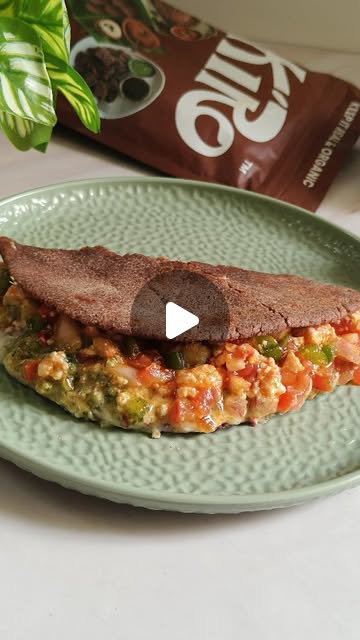
Bajra rotis taste different from wheat chapatis. The texture stays slightly coarse, but this is normal. These flatbreads have a glycemic index of 48.6, making them suitable for daily meals.
Here's how to make bajra rotis that hold together:
Take bajra flour and add salt. Pour hot water slowly while stirring with a spoon. Hot water is key - it makes the dough workable. Let it cool, then knead for 10 minutes.
New cooks often struggle with bajra dough. It doesn't stretch like wheat flour. Place the dough ball between plastic sheets and pat it flat with your hands. Roll gently if needed.
Cook on medium heat until brown spots appear on both sides. Serve with ghee and jaggery - this combination helps your body absorb calcium and iron better.
Bajra khichdi and porridge
Bajra khichdi needs patience. Soak the grain for 12 hours before cooking. This step matters for digestion.
Start by heating ghee in a pressure cooker. Add cumin seeds, garlic, and chopped vegetables. Add the soaked bajra with moong dal and water. Cook for three whistles, then simmer 15-20 minutes.
Some regions crush bajra lightly before cooking. This removes the outer layer and reduces cooking time. The final dish should have a chewy texture - that's how bajra khichdi is supposed to be.
Bajra generates body heat according to Ayurvedic principles. Winter months are ideal for regular consumption.
Sprouted bajra benefits and uses
Sprouting reduces compounds that block nutrient absorption. The process is simple but takes time.
Soak whole bajra overnight. Drain and wrap in a damp cloth. Leave for 24-48 hours until small sprouts appear. Eat these raw in salads or dry and grind into flour.
Sprouted bajra flour keeps better than regular flour. Commercial versions use cold-milling to preserve nutrients. This flour works well for people managing diabetes or following gluten-free diets.
Bajra in fermented foods like dosa and idli
Fermentation increases the beneficial compounds in bajra by 30%. South Indian preparations like dosas and idlis adapt well to bajra.
For bajra dosas, soak pearl millet, rice, and urad dal for 3-5 hours. Grind urad dal until fluffy first. Then grind the bajra-rice mixture separately. Mix both batters and ferment for 4 hours minimum.
Cook these dosas on medium heat with little oil. They turn out crispy outside, soft inside.
Bajra idlis need whole bajra, rice, urad dal, and fenugreek seeds. Some recipes skip rice entirely, using bajra with yellow moong dal instead.
These fermented preparations support gut health through natural probiotics. The fermentation also makes bajra easier to digest.
When and Where to Find Bajra in India
Bajra follows clear growing seasons across India. Knowing these patterns helps you buy fresh grain and plan your meals.
Seasonal availability and harvesting months
Bajra grows during the Kharif season from June to September. The monsoon rains provide most of the water it needs. This hardy grain needs very little irrigation compared to wheat or rice.
Fresh bajra appears in markets after the monsoon ends. This timing works perfectly in Rajasthan, where people traditionally eat more bajra during winter months.
Some farmers also grow bajra during Rabi season from November to February. States like Andhra Pradesh, Maharashtra, and Gujarat follow this pattern. Southern India sometimes plants bajra as a summer crop between February and March, but this needs irrigation support.
The grain takes 75-90 days to mature after sowing. You can tell it's ready when the grains harden and the panicles turn golden-brown. This quick growing cycle makes bajra valuable for food security in dry regions.
Top producing states in India
Rajasthan produces the most bajra in India. The state generates about 42.81 lakh tons each year, which is nearly 45% of the country's total. Production reached 51.05 lakh tons in 2022-23.
The main producing districts in Rajasthan are:
- Alwar: 17.03%
- Jaipur: 13.01%
- Nagaur: 8.98%
- Dholpur: 6.49%
- S.Madhopur: 3.50%
Other major producers include:
- Uttar Pradesh: 20.45 lakh tons (2022-23)
- Haryana: 11.99 lakh tons
- Gujarat: 12.93 lakh tons
- Maharashtra: 4.67 lakh tons
How to buy and store bajra
Good quality bajra grains look uniform in size with a pearly shine. Check for this when buying from your local grain shop.
Store bajra in airtight containers. Keep them in cool, dry places away from sunlight. Good air circulation prevents moisture problems that cause spoilage.
For long-term storage, make sure the grain has less than 12% moisture content. Bajra flour goes bad quickly once ground. Buy small amounts or keep flour in the refrigerator.
Many traditional homes grind bajra every two days using a stone chakki. This gives better nutrition and flavor than store-bought flour that might be weeks old.
Bajra Benefits and Side Effects to Know
Bajra works well for most people. Some should be careful though.
Who should avoid bajra (e.g., thyroid issues)
People with thyroid problems need to limit bajra. It contains goitrogens that can interfere with iodine uptake. This matters if you have hypothyroidism or other thyroid conditions. The compounds might worsen goiter.
Kidney stone patients should also be cautious. Bajra's calcium and oxalate content could form stones if not cooked properly. People with active kidney disease or bladder infections might want to skip bajra until they recover.
How to reduce antinutrients through soaking or fermenting
Bajra has natural compounds called antinutrients. These include phytates, tannins, and saponins that block nutrient absorption.
Traditional Indian cooking methods solve this problem. Soak bajra for 24 hours before cooking. This reduces antinutrients significantly.
Fermenting works even better. Two days of fermentation increases good compounds by 30%. This is why bajra dosas and idlis are easier to digest than plain bajra.
Sprouting also helps. It activates enzymes that break down problematic compounds while making nutrients more available.
Safe daily intake and moderation tips
Stick to 90-100 grams of bajra daily. More than this can cause stomach discomfort because of the high fiber.
Follow these simple rules:
- Drink extra water with bajra meals
- Cook it thoroughly
- Rotate between different grains during the week
Eat bajra three to four times weekly at most. This gives you the benefits without overdoing it.
Conclusion
Bajra deserves more attention in our daily meals. This ancient grain offers real benefits for weight management, blood sugar control, and heart health. The research backs what our grandmothers knew - traditional foods often work better than we expect.
You can start simple. Try bajra roti once a week instead of wheat chapati. Soak the grain overnight before cooking khichdi. These small steps make bajra easier to digest and more nutritious.
Rajasthan grows most of India's bajra, especially after monsoon season. Look for it in local markets during winter months when fresh crops arrive. Store it properly in dry containers away from moisture.
Some people should be careful with bajra. Those with thyroid problems might want to limit how much they eat. Soaking and fermenting reduce any concerns while boosting nutrition.
Traditional recipes work best. Bajra roti with dal gives you complete protein. Fermented bajra dosa provides probiotics for gut health. These combinations have fed families for centuries.
Bajra fits modern needs too. It's gluten-free for those who need it. The low glycemic index helps with diabetes management. The fiber supports weight control.
Start where you feel comfortable. Maybe replace one wheat meal per week with bajra. Try it as porridge for breakfast or khichdi for dinner. See how your body responds.
This grain connects us to sustainable eating habits. It grows with little water in challenging conditions. Supporting bajra means supporting farmers who grow climate-resilient crops.
Your next grocery trip could include bajra. Give this traditional superfood a chance in your kitchen. Simple changes often bring the best results.
Key Takeaways
Discover how bajra (pearl millet) can transform your health journey with these evidence-based insights that make this ancient grain a modern superfood worth incorporating into your daily diet.
• Bajra supports effective weight loss through its low glycemic index (48.6-54) and high fiber content (8-9g per 100g), promoting satiety and stable blood sugar levels.
• Regular bajra consumption reduces diabetes risk by 34% in men and 22% in women while lowering bad cholesterol by up to 10%, making it a heart-healthy choice.
• This nutrient-dense grain provides 8-11mg iron per 100g along with essential minerals like magnesium (137mg) and phosphorus (296mg), supporting energy and bone health.
• Traditional preparations maximize benefits - soak bajra for 24 hours to reduce antinutrients, or try fermented forms like dosa which increase beneficial compounds by 30%.
• Women benefit from bajra's iron and folate content for pregnancy support, while its hormonal balancing properties help manage PCOS symptoms naturally.
Bajra represents more than just nutrition - it's a sustainable, gluten-free superfood that connects modern health needs with ancient wisdom, offering a practical solution for diabetes management, weight control, and overall wellness.
FAQs
Q1. How does bajra contribute to weight loss?
Bajra supports weight loss through its high fiber content, which enhances satiety, and its complex carbohydrates, which provide sustained energy. Its low glycemic index helps regulate blood sugar levels, while its protein and mineral content offer metabolic benefits. Regular consumption of bajra, especially in the form of roti, can be an effective part of a weight loss diet.
Q2. What are the benefits of consuming bajra daily?
Daily consumption of bajra can provide numerous health benefits. It supports heart health by lowering cholesterol, helps manage blood sugar levels, and provides essential nutrients like iron, magnesium, and B vitamins. Bajra also aids in digestion, supports bone health, and may help in managing conditions like PCOS due to its hormone-balancing properties.
Q3. How many bajra rotis can I eat per day for weight loss?
For weight loss, it's recommended to limit bajra roti intake to 1-2 per meal. Each roti contains about 150 calories and 3.8g of fiber, promoting fullness without causing blood sugar spikes. To maximize weight loss benefits, pair bajra rotis with vegetables or lean protein sources. Remember, portion control is key in any weight loss plan.
Q4. Is bajra beneficial for people with respiratory conditions like asthma?
Yes, bajra can be beneficial for people with asthma and other respiratory conditions like COPD, especially during winter. Its anti-inflammatory properties and presence of Omega-3 fatty acids may help reduce swelling, clear mucus, and aid in proper breathing. However, it's always best to consult with a healthcare professional for personalized advice.
Q5. What are the key nutritional components that make bajra a superfood?
Bajra is considered a superfood due to its rich nutritional profile. It's high in protein (11-12g per 100g), fiber (8-9g per 100g), and essential minerals like iron (8-11mg per 100g), magnesium (137mg per 100g), and phosphorus (296mg per 100g). It also contains antioxidants, B-complex vitamins, and has a low glycemic index. These components contribute to its various health benefits, including blood sugar management, heart health support, and potential anti-cancer properties.


Leave a comment