

Foxtail Millet Uses: Ancient Grain's Secret Health Benefits Revealed
People have treasured foxtail millet for thousands of years, with its cultivation stretching back an amazing 8000 years. This small, yellow grain looks just like a fox's tail and packs quite a punch nutritionally with its protein, fiber, and essential minerals.
Pearl millet ranks first, but foxtail millet stands as the second-most grown millet species worldwide. The grain's health benefits make it worth a closer look. Each 100g serving contains 12.3g of protein, which beats white rice by a lot, plus it maintains a low glycemic index of 50.8. No wonder this ancient grain has surged in popularity during 2023. Here's a detailed look at foxtail millet's nutrition and some practical ways you can add this versatile grain to your meals through both old-school and modern recipes. The grain could be perfect for your diet if you need help with diabetes, want to boost heart health, or just want to try healthier grain options.
What is Foxtail Millet and Why is it Making a Comeback?
Setaria italica, or foxtail millet, ranks among the world's oldest cereal grains people have grown. The grain earned its name from its bristly, spike-like flower head that looks just like a fox's tail. People have relied on this ancient grain as the life-blood of many civilizations because it adapts so well to tough growing conditions.
Origin and traditional use
Indian farmers started growing foxtail millet about 4,000 years ago, with evidence pointing to around 2000 BCE. This tough crop did really well in southern India, especially in Andhra Pradesh, Karnataka, Telangana, and Rajasthan. Farmers valued it because it could grow in dry areas where water was hard to find.
The impact of foxtail millet reached far beyond India's shores. Chinese people called it 'xiaomizhi' and it was their main grain before rice took over. Traditional Chinese medicine saw it as one of the best grains to keep people fed. Italian cuisine still uses it today to make polenta, just like the ancient Romans did.
Our ancestors prized this grain because it was so hardy. The plant grows straight up to 90-220 cm tall with thick roots, and it does well where other crops just can't make it. You can harvest it in just 75-80 days.
Names in different Indian languages
Indian languages have many names for foxtail millet, showing how it became part of local food and farming:
- Hindi: Kangani, Kakum, Rala
- Tamil: Thinai
- Telugu: Korra
- Kannada: Navane
- Malayalam: Thina
- Marathi: Kang, Rala
- Punjabi: Kangani
- Gujarati: Kang
- Bengali: Kaon
- Odia: Kangu, Kang, Gondli
These different names show how deeply foxtail millet has shaped India's food traditions. People love foxtail millet upma, often adding local vegetables and sprouts to make it more nutritious and tasty.
Why it's gaining popularity again
Rice and wheat dominated our plates for decades, but now foxtail millet is making a strong comeback, and with good reason too.
Health-conscious people have discovered its amazing nutritional benefits. The grain packs 12-15% protein, 65-75% carbohydrates, and 15-20% dietary fiber. You'll also find plenty of iron (2.5 mg per 100g) and calcium (80 mg per 100g), making it more nutritious than many common grains.
The grain's low glycemic index of 50-55 helps keep blood sugar steady - great news for people watching their diabetes. Its high fiber content helps digestion and manages cholesterol levels too.
Environmental benefits have pushed foxtail millet back into the spotlight. This tough crop needs nowhere near as much water as rice - about 70% less - and keeps growing even when temperatures hit 35°C. These qualities make it perfect for our changing climate.
The United Nations sees its value too. They named 2023 the International Year of Millets, recognizing India's role in growing and eating these grains. This move helps spread the word about millets' benefits for health and the environment.
People with gluten sensitivity now have a new friend in foxtail millet. It's naturally gluten-free, making it a great choice for anyone with celiac disease or gluten intolerance who wants a nutritious grain option.
Foxtail Millet Nutritional Value per 100g
The tiny but mighty foxtail millet has earned its spot in today's healthy diets. This small grain packs such a punch of nutrients that people now call it a superfood. Let's get into what makes foxtail millet stand out from the crowd.
Macronutrients: Protein, carbs, fiber
Foxtail millet really stands out from other cereals with its balanced mix of nutrients. Its protein content of 11.65-12.3g per 100g beats many other grains hands down. Vegetarians love it as a protein source since it has essential amino acids like leucine, isoleucine, and methionine.
You'll find 60-75.33g of carbohydrates per 100g[92], mostly complex starches that keep you energized longer. So dishes like foxtail millet khichdi keep you fuller than regular refined grains would.
The fiber content sits at about 6-8g per 100g, though some research shows it can range from 2.21-14.06g. This substantial amount of fiber helps you:
- Keep your digestion healthy
- Feel full longer
- Stay regular
- Keep your cholesterol in check
Fat content stays pretty low at 1.4-4.3g per 100g[92], but it has a great balance of omega-3 and omega-6 fatty acids.
Practical tip: Next time you make pulao or biryani, swap out white rice for foxtail millet. You'll get more protein and fiber, plus a nice nutty, sweet flavor.
Micronutrients: Iron, calcium, magnesium
Foxtail millet really shines in its micronutrient content. Without doubt, it gives you plenty of minerals your body needs.
Iron levels run from 2.8-4.59mg per 100g, which helps prevent anemia - great news for vegetarians. One serving gives you almost 30% of your daily iron needs.
Calcium comes in at 31-47mg per 100g[91], supporting healthy bones and muscles. While finger millet has more calcium, foxtail millet still adds good value to your daily needs.
The magnesium content impresses at 45.4-143mg per 100g, helping your nerves and muscles work right. You'll also find other key minerals:
- Phosphorus: 290mg per 100g
- Zinc: 1.7-3.5mg per 100g
- Potassium: 250-393mg per 100g[91]
B-vitamins show up strong too, especially niacin (3.2mg/100g) and folate (15mg/100g), which keep your metabolism and brain working well.
Practical tip: Start your day with traditional South Indian thinai porridge. Add some nuts and seeds for a breakfast that keeps you going all morning.
Low glycemic index and gluten-free nature
Foxtail millet's low glycemic index (GI) of 50-60 sets it apart. This means your blood sugar won't spike after eating it.
The resistant starch (13.67-27.01g per 100g) plays a big part in keeping that GI low. It slows down digestion and keeps blood sugar steady. Compare this to white rice's GI of 73 or white bread's 75, and you'll see why it's better.
People with celiac disease or gluten sensitivity can eat foxtail millet safely since it has no gluten[92]. You can make gluten-free versions of dosa, idli, or even baked goods with it.
The mix of low GI and high fiber helps with:
- Blood sugar control
- Weight management
- Long-lasting energy
- Better digestion
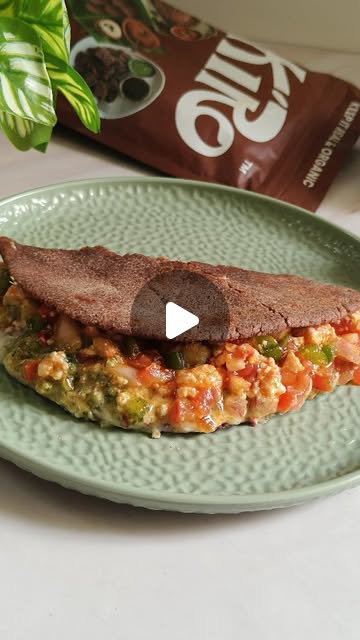
Practical tip: Make your rotis and parathas with foxtail millet flour instead of wheat. They'll be gluten-free and won't spike your blood sugar - perfect if you're watching your diabetes.
Top 7 Foxtail Millet Health Benefits
Foxtail millet packs impressive health benefits that make it stand out among grains in today's health-conscious world. Modern science now backs what traditional cultures have known for centuries about this grain's medicinal properties.
1. Helps manage diabetes
Foxtail millet excels at blood sugar management with its low glycemic index of around 50.8. Research shows promising results. Participants who consumed foxtail millet regularly for 12 weeks saw their fasting blood glucose drop from 5.7 to 5.3 mmol/L. Their two-hour post-meal glucose levels decreased from 10.2 to 9.4 mmol/L. High fiber content in this grain slows down carbohydrate digestion and prevents sudden blood sugar spikes.
Practical tip: You can replace rice with foxtail millet in your khichdi to control glucose better.
2. Supports heart health
People who eat foxtail millet regularly can reduce their systolic blood pressure by 4.13 mmHg and diastolic blood pressure by 3.49 mmHg. Magnesium and potassium in this grain work together to regulate blood pressure and improve circulation. Antioxidants help lower bad cholesterol levels and protect against plaque buildup in arteries.
Practical tip: A foxtail millet pulao with heart-healthy spices like turmeric and garlic works great.
3. Helps you lose weight
Research shows that eating foxtail millet can lead to weight loss of 1.2kg over four weeks. This happens because:
- Tryptophan in the grain reduces hunger and targets belly fat
- High fiber content (up to 8g per 100g) keeps you full longer
- You get essential nutrients with fewer calories
Practical tip: Start your day with foxtail millet porridge to stay full until lunch.
4. Improves digestion
Resistant starch in foxtail millet acts as a prebiotic that keeps good gut bacteria fed. Fiber-rich content promotes regular bowel movements and prevents constipation. This naturally gluten-free grain is gentle on sensitive digestive systems while providing great nutrition.
Practical tip: Try foxtail millet dosa with yogurt and mint chutney to digest better.
5. Strengthens bones
Each 100g of foxtail millet contains about 31mg of calcium to support bone health. Phosphorus in the grain works with calcium to build and maintain strong bones. Regular consumption helps curb bone-related conditions like osteoporosis and arthritis.
Practical tip: Make thinai (foxtail millet) pongal with milk to get more calcium.
6. Boosts immunity
Antioxidants, phenols, vitamins, and essential micronutrients in foxtail millet improve your body's immune response. Iron content (4.59mg per 100g) helps produce red blood cells and ensures your body gets enough oxygen.
Practical tip: Make foxtail millet soup with immunity-boosting herbs during cold seasons.
7. Safe for gluten intolerance
People with celiac disease or gluten sensitivity can safely eat foxtail millet since it's naturally gluten-free. This grain lets you enjoy varied, nutritious meals without worry. It digests easily and works great as an alternative to wheat and other gluten-containing grains.
Practical tip: You can use foxtail millet flour to make gluten-free rotis and dosas.
How to Use Foxtail Millet in Daily Meals
You'll be surprised how easy it is to cook with foxtail millet in your kitchen. This ancient grain packs a nutritious punch and its nutty flavor works great in many dishes.
As a rice substitute
Foxtail millet makes an excellent stand-in for white rice in your daily meals. The cooking process is straightforward - wash it really well, let it soak for 5-6 hours, then boil it with a pinch of salt and some ghee if you'd like (use 3 cups water for each cup of millet). Watch for small holes on the surface - that's your signal it's almost ready. Just lower the heat and let the remaining water absorb. The cooked millet tastes amazing with sambhar, rasam, curds, and dal.
Practical tip: Keep an eye on your cooking time. Less cooking works better for salads, while a longer cook time gives you that perfect rice-like texture for traditional dishes.
In porridge or breakfast bowls
Starting your day with foxtail millet porridge gives you lasting energy. Sweet or savory - you'll find recipes from many cultures. Make the sweet version by cooking soaked millet in milk and topping it with fruits, nuts, and natural sweeteners. The savory option includes thinai kanji - a South Indian dish that uses coconut milk to create a soft, fluffy texture. New mothers love this recipe because it's easy to digest and keeps them fed.
Practical tip: Cook extra millet ahead of time and you can whip up breakfast porridge quickly all week.
In salads and soups
Modern dishes welcome this ancient grain too. For a great salad, cook the millet until the grains stay separate, let it cool, then mix it with fresh veggies, herbs, and your favorite dressing. The grain's earthy taste works really well with strawberries and crunchy vegetables. Soups become heartier and more filling with this naturally creamy grain.
Practical tip: Stop the cooking process and prevent clumping by rinsing your cooked millet under cool water before adding it to salads.
In baked goods and snacks
This versatile grain shines in baked goods and snacks too, especially for people who need gluten-free options. You can make crispy crackers, add it to chocolate mousse cake, or even prepare traditional Indian snacks like dhokla by fermenting it with urad dal.
Practical tip: Want to use it for baking? Just lightly dry-roast the grains first, then grind them in your coffee grinder or mixer.
Traditional and Modern Foxtail Millet Recipes
Foxtail millet recipes demonstrate the grain's remarkable adaptability in classic and state-of-the-art kitchens.
Foxtail Millet Khichdi
This protein-rich alternative to rice khichdi combines foxtail millet with moong dal in a comforting one-pot meal. The millet needs 30 minutes of soaking before pressure cooking it with dal, vegetables, and spices for 2-3 whistles. Cumin, turmeric, and garam masala create the dish's signature flavor. Adding spinach or methi leaves will boost its nutritional content.
Foxtail Millet Pulao
The millet's nutty flavor makes a colorful, nutritious alternative to traditional rice pulao. Soaking the millet takes 30-45 minutes. The cooking process starts with sautéing whole spices (bay leaf, cinnamon, cloves, cardamom) in ghee or oil. Next comes onions, ginger-garlic paste, vegetables, and spices. The drained millet cooks with water in 1:2 proportion until perfectly fluffy. A side of raita completes this satisfying meal.
Sweet Pongal with millet
This healthier version of traditional sweet pongal features jaggery-sweetened foxtail millet. Lightly roasted moong dal and millet cook together under pressure. The cooked mixture blends with melted jaggery, cardamom powder, and a pinch of salt. Ghee-fried cashews add the final touch to this nutritious festive treat's nutty flavor profile.
Millet dosa and idli
The fermented foxtail millet batter creates soft idlis and crispy dosas without rice. Separate soaking of millet and urad dal precedes grinding them into a smooth paste. Salt goes in before overnight fermentation. People managing diabetes find this preparation particularly beneficial. The fermentation process adds probiotic benefits. A small amount of poha during grinding helps achieve the idlis' perfect texture.
Smoothies and salads
State-of-the-art dishes get a nutritional boost from cooked foxtail millet. The grain's nutty flavor pairs beautifully with chickpeas, colorful vegetables, pomegranate seeds, and herbs in refreshing salads. A tahini-citrus dressing brings out the best flavors. The cooked millet adds thickness and sustained energy to smoothies when blended with fruits and plant-based milks.
Conclusion
Foxtail millet stands as a remarkable ancient grain that has rightfully reclaimed its place in modern nutrition. Throughout this exploration, we've seen how this humble grain packs a powerful nutritional punch with its impressive protein content, essential minerals, and fiber. Additionally, its low glycemic index makes it particularly valuable for those managing diabetes or watching their blood sugar levels.
The versatility of foxtail millet truly sets it apart from other grains. Whether substituted for rice in everyday meals, transformed into nutritious breakfast porridge, added to contemporary salads, or used in traditional Indian preparations like khichdi and dosa, this adaptable grain fits seamlessly into diverse culinary traditions. Undoubtedly, its nutty flavor and satisfying texture enhance both classic and innovative dishes alike.
Beyond its culinary applications, the health benefits of foxtail millet are equally compelling. From supporting heart health to aiding digestion, this gluten-free grain addresses many modern health concerns while honoring traditional wisdom. Previously overlooked in favor of more commercial grains, foxtail millet has certainly proven itself worthy of rediscovery.
The environmental resilience of foxtail millet also deserves recognition. After all, a crop that requires significantly less water than rice while thriving in challenging conditions offers a sustainable solution for our changing climate. This combination of nutritional excellence and environmental adaptability explains why 2023 was declared the International Year of Millets.
Next time you're at the market, consider adding foxtail millet to your shopping basket. Start with a simple substitution like replacing rice with foxtail millet in your favorite pulao recipe. Alternatively, begin your day with a nourishing bowl of thinai porridge topped with seasonal fruits. Though small in size, this mighty grain delivers substantial benefits that our ancestors understood well – wisdom we're finally rediscovering for ourselves.
Key Takeaways
Discover why this 8,000-year-old grain is making a powerful comeback as a modern superfood with remarkable health benefits and culinary versatility.
• Nutritional powerhouse: Foxtail millet contains 12.3g protein per 100g, significantly higher than white rice, plus essential minerals like iron and calcium.
• Diabetes-friendly grain: With a low glycemic index of 50.8, it helps manage blood sugar levels and reduces fasting glucose by 0.4 mmol/L in studies.
• Versatile rice substitute: Easily replaces rice in khichdi, pulao, and traditional dishes while offering better nutrition and gluten-free benefits.
• Weight management support: High fiber content and tryptophan help reduce hunger, promote fullness, and can lead to 1.2kg weight loss in four weeks.
• Climate-resilient crop: Requires 70% less water than rice and thrives in drought conditions, making it environmentally sustainable for future food security.
This ancient grain bridges traditional wisdom with modern nutritional science, offering a practical solution for health-conscious consumers seeking sustainable, nutrient-dense alternatives to conventional grains.
FAQs
Q1. What are the main health benefits of consuming foxtail millet regularly? Regular consumption of foxtail millet can help manage blood sugar levels, support heart health, aid in weight loss, improve digestion, strengthen bones, boost immunity, and provide a safe option for those with gluten intolerance.
Q2. How does foxtail millet compare to other grains in terms of nutritional value? Foxtail millet is a nutritional powerhouse, containing higher protein content than white rice, essential minerals like iron and calcium, and a low glycemic index. It's also rich in dietary fiber and various vitamins, making it a superior choice compared to many common grains.
Q3. Can foxtail millet help with weight management? Yes, foxtail millet can aid in weight management. Its high fiber content promotes feelings of fullness, while its tryptophan content may help reduce hunger. Studies have shown that regular consumption can lead to modest weight loss over time.
Q4. Is foxtail millet suitable for people with diabetes? Foxtail millet is an excellent choice for people with diabetes due to its low glycemic index. It helps manage blood sugar levels by releasing glucose slowly into the bloodstream, preventing sharp spikes in blood sugar.
Q5. How can foxtail millet be incorporated into daily meals? Foxtail millet is versatile and can be used in various ways. It can replace rice in dishes like khichdi and pulao, be prepared as a porridge for breakfast, added to salads and soups, or used in baked goods and snacks. It's also great for making traditional dishes like dosa and idli.


Leave a comment