

Most Indian breakfasts lean on rice, wheat or poha. They fill you up, but they carry little protein. You don't need powders to fix that: pulses, dairy, soya and millet blends are already in the Indian kitchen, and a few swaps put 12–20 g of protein on the breakfast plate.
Below are twelve vegetarian breakfasts with an approximate protein figure for a typical adult portion. The numbers are estimates from standard ingredient values — your brand, portion and toppings will move them.
How much protein should breakfast have?
ICMR-NIN puts an adult's daily protein requirement at about 0.83 g per kg of body weight — roughly 50 g a day for a 60 kg adult. It is easier to spread that across meals than to catch up at dinner, so 12–20 g at breakfast is a useful target for most adults. If you have a medical condition or a specific protein goal, check with a doctor or registered dietitian.
12 high-protein vegetarian breakfasts
| Breakfast | Typical portion | Approx. protein |
|---|---|---|
| Paneer bhurji with a roti | 100 g paneer + 1 roti | 20–22 g |
| Soya chunk upma | 30 g soya chunks + 40 g rava | 18–20 g |
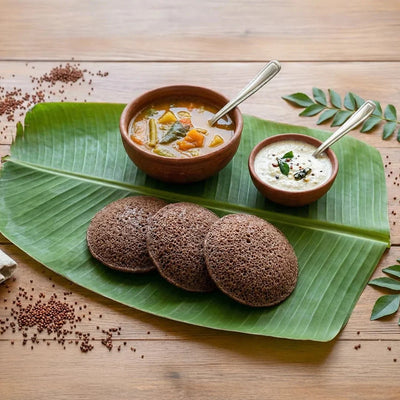
| Ragi dosa with sambar | 3 dosas from 100 g Kiro Ragi Premix + 1 bowl sambar | 17–20 g |
| Oats with milk and almonds | 50 g oats, 200 ml milk, 10 almonds | 15–17 g |
| Moong dal chilla or pesarattu | 2 chillas from 60 g moong dal | 13–14 g |
| Ragi chilla | 3 chillas from 100 g Kiro Ragi Premix | 13 g |
| Besan chilla | 2 chillas from 60 g besan | 12–13 g |
| Tofu bhurji | 150 g firm tofu | 12–18 g, depending on the tofu |
| Hung curd with fruit and seeds | 150 g hung curd + 1 tbsp seeds | 12–15 g |
| Idli with sambar | 3 idlis + 1 bowl sambar | 10–12 g |
| Peanut poha | 60 g poha + 25 g peanuts | about 10 g |
| Sattu drink | 40 g sattu in water or buttermilk | about 8 g |
Getting more protein out of the breakfast you already make
- Pair a grain with a pulse. Idli with sambar, dosa with chutney and sambar, or a millet-and-besan chilla all combine the two.
- Fill it. Paneer, tofu or grated soya inside a chilla or dosa adds 5–10 g without changing the dish.
- Add dairy on the side. A bowl of curd or a glass of milk or chaas adds a few grams more.
- Upgrade the usual. Put peanuts in the poha and soya chunks or sprouted moong in the upma.
The 10-minute option
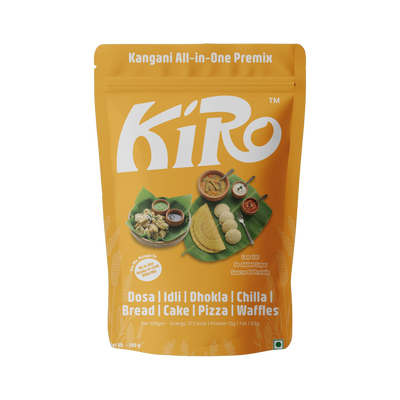
On rushed mornings, a premix does the measuring for you. Kiro Ragi Premix is ragi flour, rice flour and besan, with 13.1 g of protein per 100 g from the grain and the pulse themselves, not added isolates. Whisk 100 g with 120 ml water for three chillas, or add curd for dosa, idli or dhokla. Browse every millet chilla mix and millet dosa mix.
Recipes: ragi chilla · instant ragi dosa · ragi idli · ragi dhokla
Questions
What is the highest-protein Indian vegetarian breakfast? Of the everyday options, paneer bhurji and soya chunk upma lead at around 20 g a plate, followed by ragi dosa with sambar and pulse-based chillas.
Is chilla high in protein? A chilla made from besan or moong dal is one of the better vegetarian sources: two chillas from 60 g of flour carry roughly 12–14 g.
Can I get enough protein at breakfast without supplements? For most adults, yes. Pairing a pulse or dairy with a grain gets you into the 12–20 g range.
Leave a comment